Last Updated on May 31, 2026 by admin
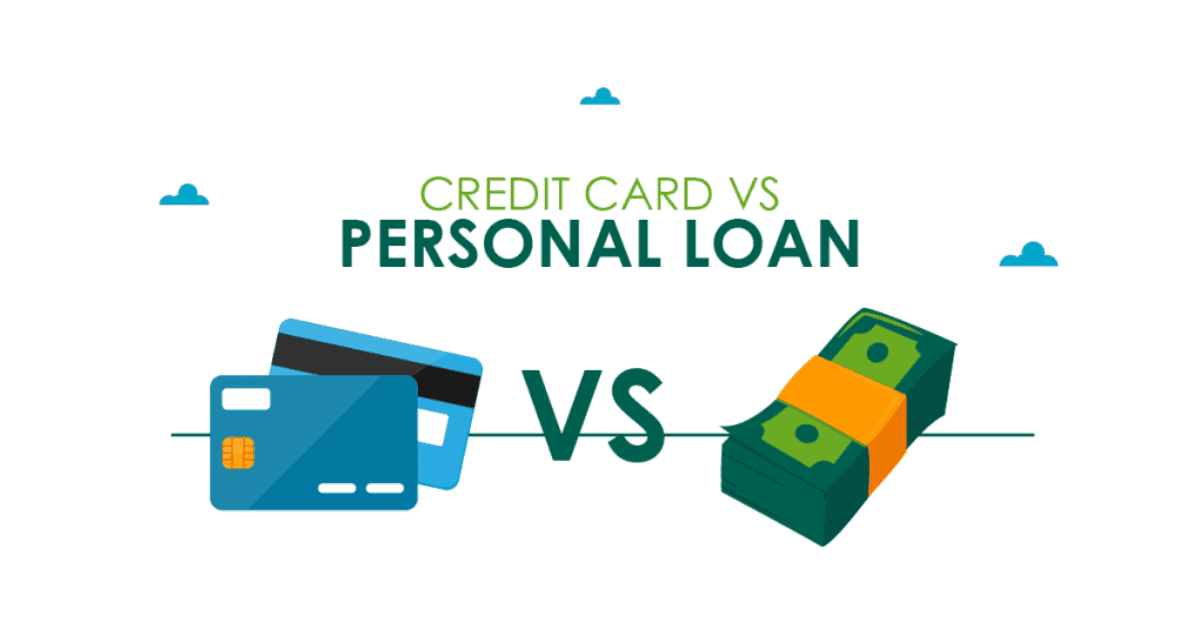
When you need extra money to cover expenses, make a large purchase, consolidate debt, or handle an emergency, two common financing options usually come to mind: a personal loan or a credit card. Both can provide quick access to funds, but they work very differently and serve different financial purposes.
Many people struggle to decide which option is better because both have advantages and disadvantages. The truth is that neither is universally better than the other. The right choice depends on your financial situation, borrowing needs, repayment ability, and long-term goals.
In this guide, we’ll compare personal loans and credit cards in detail, helping you understand how they work, their pros and cons, and when each option makes the most sense.
Rea: How to Use Chase Mobile Banking
Understanding Personal Loans
A personal loan is a lump sum of money borrowed from a bank, credit union, or online lender. Once approved, you receive the entire amount upfront and repay it over a fixed period through monthly installments.
Most personal loans come with:
- Fixed interest rates
- Fixed monthly payments
- Defined repayment terms
- Predictable payoff dates
Loan amounts can range from a few hundred dollars to tens of thousands of dollars, depending on the lender and your credit profile.
How Personal Loans Work
Suppose you borrow $10,000 through a personal loan with a five-year repayment term and a fixed interest rate of 10%.
You will make the same monthly payment every month for five years until the loan is completely repaid.
This predictable structure makes budgeting easier because you always know how much you owe and when the debt will be paid off.
Understanding Credit Cards
A credit card provides a revolving line of credit rather than a lump-sum payment.
The lender gives you a credit limit, such as $5,000. You can borrow money up to that limit, repay some or all of it, and then borrow again as needed.
Unlike personal loans, credit cards offer flexibility because you don’t have to borrow the full amount at once.
How Credit Cards Work
Imagine you have a credit card with a $3,000 limit.
You spend $500 on repairs. Your available credit becomes $2,500. After paying back the $500, your full credit limit is restored.
This revolving nature makes credit cards useful for ongoing expenses and short-term borrowing.
Major Differences Between Personal Loans and Credit Cards
Although both allow you to borrow money, there are several important differences.
1. Borrowing Structure
Personal Loan
- Receive money in one lump sum
- Fixed repayment schedule
- Cannot borrow additional funds without applying again
Credit Card
- Revolving credit line
- Borrow repeatedly up to the credit limit
- Flexible usage
2. Interest Rates
Personal loans generally offer lower interest rates than credit cards.
Average personal loan rates often range between 6% and 20%, depending on creditworthiness.
Credit card interest rates frequently range from 15% to 30% or even higher.
Because of this difference, personal loans are usually cheaper for large borrowing needs.
3. Repayment Terms
Personal loans have a clear repayment timeline.
Most loans have terms ranging from one to seven years.
Credit cards, on the other hand, have no fixed repayment period. As long as you make minimum payments, the debt can continue indefinitely.
4. Monthly Payments
Personal loan payments are fixed and predictable.
Credit card payments vary depending on:
- Current balance
- Interest charges
- Minimum payment requirements
This can make budgeting more difficult.
5. Credit Limits
Personal loans provide a one-time borrowing amount.
Credit cards allow ongoing access to funds until the credit limit is reached.
Read; The 5 Cs of Credit Explained: Meaning, Uses, and Importance
Advantages of Personal Loans
Lower Interest Rates
One of the biggest benefits of personal loans is lower interest costs.
Borrowers with good credit often qualify for rates significantly below typical credit card rates.
Lower interest means more of your payment goes toward reducing the principal balance.
Predictable Payments
Fixed monthly payments simplify budgeting.
You know exactly:
- How much to pay
- When payments are due
- When the debt will be eliminated
Ideal for Large Expenses
Personal loans are particularly useful for major financial needs such as:
- Home improvements
- Medical bills
- Weddings
- Debt consolidation
- Moving expenses
Faster Debt Repayment
Since personal loans have a fixed end date, they encourage disciplined repayment.
Unlike credit cards, there is no temptation to continue borrowing from the same loan account.
Disadvantages of Personal Loans
Less Flexibility
Once you receive the loan funds, you cannot continue borrowing without applying for another loan.
Qualification Requirements
Many lenders require:
- Good credit scores
- Stable income
- Sufficient debt-to-income ratios
Borrowers with poor credit may face higher rates or denial.
Possible Fees
Some lenders charge:
- Origination fees
- Late payment fees
- Prepayment penalties
These fees can increase borrowing costs.
Advantages of Credit Cards
Convenient Access to Funds
Credit cards provide immediate purchasing power.
You can use them:
- Online
- In stores
- For travel
- For emergencies
No separate loan application is needed each time you borrow.
Rewards Programs
Many credit cards offer:
- Cash back
- Travel rewards
- Airline miles
- Purchase discounts
Responsible users can benefit from these perks.
Interest-Free Grace Period
If you pay your balance in full each month, many credit cards charge no interest.
This makes them one of the cheapest forms of short-term borrowing.
Emergency Backup
A credit card can act as a financial safety net when unexpected expenses arise.
Read; Federal Deposit Insurance Corporation (FDIC): Purpose, Benefits, and Limitations
Disadvantages of Credit Cards
High Interest Rates
Credit cards generally carry much higher interest rates than personal loans.
Carrying balances month after month can become expensive quickly.
Risk of Long-Term Debt
Minimum payments may seem manageable, but they can keep borrowers in debt for years.
Many people end up paying far more in interest than they originally borrowed.
Overspending Temptation
Easy access to credit can encourage unnecessary purchases.
Without careful budgeting, balances can grow rapidly.
Variable Interest Rates
Many credit cards have variable rates that can increase over time, making debt more expensive.
When a Personal Loan Is the Better Choice
A personal loan may be the better option if:
You Need a Large Amount of Money
Large expenses often exceed credit card limits.
A personal loan provides a substantial lump sum with structured repayment.
You Want Lower Interest Costs
If your goal is minimizing interest charges, personal loans often offer better rates.
You Need Debt Consolidation
Many borrowers use personal loans to combine multiple debts into one payment.
This can simplify finances and potentially reduce interest expenses.
You Prefer Fixed Payments
People who value predictable budgeting often prefer personal loans.
Knowing exactly when debt will be paid off provides peace of mind.
When a Credit Card Is the Better Choice
A credit card may be the smarter option if:
You Need Short-Term Financing
For expenses you can repay quickly, credit cards may cost little or nothing in interest.
You Want Rewards
Frequent users can earn valuable rewards through responsible credit card spending.
You Need Ongoing Access to Credit
Credit cards offer flexibility for recurring expenses and unexpected purchases.
The Amount Needed Is Small
Small purchases generally don’t justify taking out a personal loan.
Using a credit card can be more convenient.
Personal Loan vs Credit Card for Debt Consolidation
Debt consolidation is one of the most common reasons people compare these options.
Imagine you have:
- Three credit cards
- High interest rates
- Multiple monthly payments
A personal loan can combine those balances into one monthly payment with a potentially lower interest rate.
Benefits include:
- Easier management
- Fixed payoff date
- Potential savings on interest
While balance transfer credit cards can also help consolidate debt, promotional rates eventually expire.
For larger debt balances, personal loans often provide more stability.
Impact on Credit Score
Both personal loans and credit cards can affect your credit score.
Personal Loans
Positive effects include:
- Building payment history
- Adding credit mix diversity
Negative effects may include:
- Hard credit inquiries
- Missed payments
Credit Cards
Positive effects include:
- Building credit history
- Maintaining low credit utilization
Negative effects include:
- High balances
- Late payments
- Excessive card applications
Responsible management of either option can strengthen your credit profile over time.
Comparing Costs: Personal Loan vs Credit Card
Consider a borrower needing $10,000.
Personal Loan Example
- Loan Amount: $10,000
- Interest Rate: 10%
- Term: 5 years
Total repayment might be approximately $12,748.
Credit Card Example
- Balance: $10,000
- Interest Rate: 22%
- Minimum payments only
Total repayment could exceed $18,000 and take many years.
This example highlights how higher credit card interest rates can dramatically increase borrowing costs.
Questions to Ask Before Choosing
Before deciding between a personal loan and a credit card, ask yourself:
- How much money do I need?
- How quickly can I repay the debt?
- What interest rate can I qualify for?
- Do I need ongoing access to credit?
- Can I comfortably make fixed monthly payments?
- Am I likely to overspend with a credit card?
- Is my goal flexibility or structured repayment?
Your answers will help determine which option best fits your situation.
What About the Application Process?
This is worth mentioning because timing matters in real life.
Personal loans generally take more time to process. You’ll need to submit documents, go through credit checks, and wait for approval — sometimes a few days, sometimes longer. Some digital lenders have streamlined this considerably, but it’s still not instant.
Credit cards, once you already have one, are instant. The money is available the moment you need it. No forms, no waiting, no approval process in the moment. For genuine emergencies, this is a significant advantage.
If you don’t already have a credit card and you’re applying from scratch, both products have similar wait times. But for existing cardholders, the speed advantage is real.
Read: The Four Constituent Countries of the United Kingdom
Tips for Responsible Borrowing
Whether you choose a personal loan or a credit card, responsible borrowing is essential.
Borrow Only What You Need
Avoid taking on more debt than necessary.
Make Payments On Time
Late payments can damage your credit score and result in fees.
Compare Multiple Lenders
Shopping around can help you find better rates and terms.
Read the Fine Print
Understand:
- Interest rates
- Fees
- Repayment terms
- Penalties
Create a Repayment Plan
Always know how you intend to repay borrowed money before taking on debt.
Final Verdict: Which Is Better?
The answer depends entirely on your financial needs.
A personal loan is generally better for large expenses, debt consolidation, and borrowers seeking lower interest rates and predictable payments. It provides structure and a clear path to becoming debt-free.
A credit card is usually better for smaller purchases, short-term financing, emergencies, and people who can pay balances in full each month. It offers flexibility and valuable rewards but can become costly if balances are carried long term.
In many cases, the smartest choice isn’t determining which option is universally better—it’s selecting the one that aligns with your financial goals, spending habits, and repayment ability.
By understanding the strengths and weaknesses of both personal loans and credit cards, you can make a confident decision that supports your financial future rather than creating

Contact: Kokobest04@gmail.com
- Loan Refinancing vs. Debt Consolidation: What Is the Difference? - October 7, 2026
- How business revenue and credit scores affect loan size - October 3, 2026
- Business Line of Credit vs. Term Loan: Understanding the Difference - October 3, 2026