Last Updated on June 4, 2026 by admin
Managing multiple debts can feel overwhelming. Between credit card balances, personal loans, medical bills, and other financial obligations, keeping track of different payment dates, interest rates, and loan terms can quickly become stressful.
If you’re struggling to stay on top of several debts at once, you’ve probably heard about debt consolidation loans. Many borrowers use these loans as a strategy to simplify their finances and potentially reduce the amount of interest they pay over time.
But what exactly is a debt consolidation loan, and how does it work?
In this guide, we’ll explain everything you need to know about debt consolidation loans, including their benefits, drawbacks, eligibility requirements, and whether they may be the right solution for your financial situation.
Read: Secured vs Unsecured Personal Loans Explained
Understanding Debt Consolidation Loans
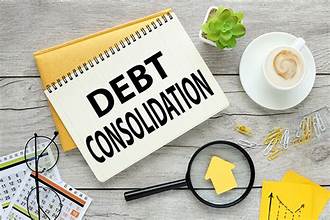
A debt consolidation loan is a financial tool that allows you to combine multiple debts into a single loan. Rather than juggling several monthly payments to different lenders, you use one new loan to pay off your existing debts and then make just one payment each month.
For example, suppose you have the following outstanding balances:
- Credit Card A: $4,000
- Credit Card B: $3,500
- Personal Loan: $5,000
In total, you owe $12,500.
Instead of managing three separate payments with different due dates and interest rates, you could apply for a debt consolidation loan of $12,500. Once approved, the loan proceeds are used to pay off your existing debts in full. From that point forward, you only need to focus on repaying the new loan.
The main purpose of debt consolidation is to make debt repayment more manageable. In addition to simplifying your finances, it may also help you secure a lower interest rate, reduce your monthly payment, and create a clearer path toward becoming debt-free.
How a Debt Consolidation Loan Works
The debt consolidation process is usually straightforward and can be completed in a few simple steps.
Step 1: Apply for a Debt Consolidation Loan
The first step is to apply for a loan through a bank, credit union, online lender, or another financial institution. During the application process, the lender will evaluate your financial profile to determine whether you qualify.
Common factors lenders review include:
- Your credit score
- Monthly income
- Employment status
- Existing debts
- Debt-to-income (DTI) ratio
If your application is approved, the lender will provide a loan offer outlining important details such as:
- Loan amount
- Interest rate
- Repayment period
- Estimated monthly payment
Step 2: Pay Off Your Existing Debts
Once the loan is funded, the money is used to eliminate your current debts.
Depending on the lender, the funds may either be sent directly to your creditors or deposited into your bank account so you can pay the debts yourself.
The goal is to replace multiple debt balances with a single loan.
Step 3: Repay the New Loan
After your previous debts have been paid off, you’ll begin making monthly payments toward the new debt consolidation loan.
Instead of managing several lenders, payment schedules, and interest rates, you’ll only have one loan account to monitor, making repayment much easier and more organized.
Why People Choose Debt Consolidation Loans
Debt consolidation has become a popular financial strategy because it offers several potential benefits.
Simplified Debt Management
One of the biggest advantages is convenience.
Managing multiple debts can be stressful, especially when each account has a different payment date and interest rate. Missing a payment can result in late fees and may negatively affect your credit score.
With a debt consolidation loan, you only need to keep track of:
- One monthly payment
- One interest rate
- One lender
This simplicity helps many borrowers stay organized and reduces the likelihood of missed payments.
Potentially Lower Interest Rates
Many forms of debt—particularly credit card debt—carry high interest rates.
For example:
- Credit Card A: 24% APR
- Credit Card B: 21% APR
- Credit Card C: 19% APR
If you qualify for a debt consolidation loan with a 10% APR, you could significantly reduce the amount of interest you pay over time.
A lower interest rate means more of your monthly payment goes toward reducing your actual debt balance rather than covering interest charges.
Lower Monthly Payments
Debt consolidation loans often offer longer repayment terms than credit cards or other forms of debt.
Spreading payments over a longer period can reduce your monthly financial burden and make repayment more manageable.
However, while lower monthly payments can improve cash flow, a longer repayment period may result in paying more interest overall. It’s important to evaluate both the short-term and long-term costs before making a decision.
Better Financial Organization
Having multiple debts can create confusion and financial stress.
Consolidating those debts into a single loan provides a clearer repayment strategy and makes it easier to track your progress. Many borrowers find that simplifying their finances gives them greater confidence and peace of mind.
Types of Debt That Can Be Consolidated
Debt consolidation loans are most commonly used to combine unsecured debts.
Credit Card Debt
Credit cards are among the most common debts consolidated because they often carry some of the highest interest rates.
Personal Loans
If you have multiple personal loans, consolidation may allow you to combine them into a single, easier-to-manage payment.
Medical Bills
Unexpected medical expenses can quickly become overwhelming. Consolidation can help spread repayment over time and reduce financial pressure.
Store Credit Accounts
Retail financing plans and store credit cards frequently charge high interest rates, making them ideal candidates for consolidation.
Payday Loan Debt
Some borrowers use debt consolidation loans to replace costly payday loans with more affordable financing options, though qualification requirements may vary.
Secured vs. Unsecured Debt Consolidation Loans
Debt consolidation loans generally come in two forms.
Secured Debt Consolidation Loans
A secured loan requires collateral—an asset that the lender can claim if you fail to repay the loan.
Common examples include:
- A vehicle
- A savings account
- Home equity
Because the lender assumes less risk, secured loans often provide:
- Lower interest rates
- Higher borrowing limits
- Easier approval requirements
However, there is a significant risk. If you default on the loan, you could lose the asset used as collateral.
Unsecured Debt Consolidation Loans
An unsecured loan does not require any collateral.
Approval is typically based on:
- Credit history
- Income level
- Employment stability
- Overall financial health
Although unsecured loans don’t put your assets at risk, they often come with higher interest rates than secured loans.
Read: How to Get a Personal Loan with Bad Credit
Who Can Benefit From a Debt Consolidation Loan?
Debt consolidation isn’t the right solution for everyone, but it can be particularly useful for certain borrowers.
Individuals With Multiple High-Interest Debts
People carrying several credit card balances often see the greatest benefit. Consolidating high-interest debts into a lower-rate loan can reduce costs and simplify repayment.
Borrowers With Good Credit
Those with strong credit scores typically qualify for the most favorable interest rates and loan terms.
The better your credit, the more potential savings debt consolidation can provide.
People Seeking Simpler Payments
If keeping track of multiple bills and due dates feels overwhelming, consolidation can make budgeting much easier.
Individuals With Stable Income
A reliable income helps ensure that you can comfortably manage the new monthly payment and stay on track with repayment.
When Debt Consolidation May Not Be the Best Choice
While debt consolidation offers many advantages, it isn’t always the right solution.
Higher Long-Term Interest Costs
A lower monthly payment can be appealing, but extending repayment over several additional years may increase the total amount of interest paid.
For example, replacing a three-year repayment plan with a seven-year loan could result in higher overall borrowing costs despite a lower interest rate.
Unchanged Spending Habits
Debt consolidation addresses existing debt, but it does not solve spending problems.
If you continue using credit cards excessively after consolidating your balances, you could end up with even more debt than before.
Successful consolidation requires responsible financial behavior and disciplined spending.
Loan Fees
Some lenders charge fees that can increase the cost of borrowing, including:
- Origination fees
- Processing fees
- Administrative charges
- Late payment penalties
Always review the loan agreement carefully before accepting an offer.
Poor Credit Can Reduce Savings
Borrowers with lower credit scores may struggle to qualify for attractive interest rates.
If the new loan’s rate is similar to—or higher than—your existing debts, consolidation may not provide meaningful savings.
Debt Consolidation Loan Requirements
Although requirements vary among lenders, most evaluate several key factors.
Credit Score
Your credit history plays a major role in the approval process.
A higher credit score can improve your chances of receiving:
- Loan approval
- Lower interest rates
- Better repayment terms
Income Verification
Lenders want assurance that you can repay the loan.
You may be asked to provide:
- Pay stubs
- Tax returns
- Bank statements
- Employment verification documents
Debt-to-Income Ratio
Your debt-to-income ratio measures how much of your monthly income is already committed to debt payments.
For example:
- Monthly income: $5,000
- Monthly debt payments: $1,500
This results in a DTI ratio of 30%.
In general, a lower DTI improves your chances of approval.
Debt Consolidation vs. Debt Settlement
Many people mistakenly believe debt consolidation and debt settlement are the same thing. In reality, they are very different approaches.
Debt Consolidation
- Combines multiple debts into one loan
- Requires repayment of the full amount owed
- Simplifies debt management
- Usually has a smaller impact on credit
Debt Settlement
- Involves negotiating with creditors to reduce balances
- May allow you to pay less than the full amount owed
- Can significantly damage your credit score
- May trigger tax consequences on forgiven debt
For borrowers who can afford repayment, debt consolidation is often considered the less risky option.
Read: Personal Loan vs Credit Card: Which Is Better?
Debt Consolidation vs. Balance Transfer Credit Cards
A balance transfer credit card is another common debt-management strategy.
These cards allow you to transfer existing credit card balances to a new card that may offer a promotional 0% APR period.
Advantages
- Temporary interest-free repayment
- Potentially substantial savings
- Faster debt reduction if paid during the promotional period
Disadvantages
- Balance transfer fees may apply
- Promotional rates eventually expire
- Good credit is often required
For some borrowers, a balance transfer card may be more affordable than a debt consolidation loan.
Tips for Using a Debt Consolidation Loan Successfully
To get the most value from debt consolidation, consider the following tips:
Compare Multiple Lenders
Don’t accept the first offer you receive.
Compare:
- Interest rates
- Fees
- Repayment terms
- Monthly payment amounts
A little research can save thousands of dollars over the life of the loan.
Borrow Only What You Need
Only borrow enough to pay off your existing debts. Taking on additional debt can undermine the purpose of consolidation.
Continue Making Payments Until Debts Are Paid
Keep paying your creditors until you receive confirmation that your debts have been fully paid off.
Create a Realistic Budget
A monthly budget helps ensure that your new loan payment remains affordable and prevents future financial problems.
Read: How to Use Chase Mobile Banking
Avoid Accumulating New Debt
One of the most common mistakes borrowers make is continuing to use credit cards heavily after consolidating debt.
Reducing or limiting credit card use while paying off your loan can help you achieve lasting financial success.
Signs a Debt Consolidation Loan May Be Right for You
A debt consolidation loan may be a good fit if:
- You have multiple debts with high interest rates
- You qualify for a lower interest rate
- You have reliable income
- You want one monthly payment
- You are committed to avoiding new debt
When used responsibly, debt consolidation can provide a clear path toward becoming debt-free.
Types of Debt Consolidation Loans
Debt consolidation loans generally fall into two main categories: secured and unsecured loans. A secured debt consolidation loan requires collateral, such as a car, savings account, or home equity. Because the lender has added security, these loans often come with lower interest rates and higher borrowing limits. However, failing to make payments could result in losing the asset used as collateral.
An unsecured debt consolidation loan does not require any collateral. Approval is based on factors such as your credit score, income, and overall financial stability. While these loans help protect your assets, they may carry higher interest rates than secured loans. Choosing the right type depends on your financial situation, credit profile, and ability to manage repayments responsibly.
Read: Federal Deposit Insurance Corporation (FDIC): Purpose, Benefits, and Limitations
Final Thoughts
A debt consolidation loan is a financial tool designed to manage debt repayment by combining multiple debts into a single loan. For many borrowers, consolidation offers easier money management, lower monthly payments, and opportunities to reduce interest costs.
However, debt consolidation is not a magic solution. Success depends on obtaining favorable loan terms and maintaining healthy financial habits after consolidation. Borrowers who continue overspending may find themselves deeper in debt despite consolidating.
Before applying, carefully compare lenders, review all fees, and calculate potential savings. Understanding both the advantages and drawbacks will help you decide whether a debt consolidation loan is the right step toward achieving your financial goals.
Used wisely, debt consolidation can transform a complicated debt situation into a manageable repayment plan and help you regain control of your finances.
.

Contact: Kokobest04@gmail.com
- Loan Refinancing vs. Debt Consolidation: What Is the Difference? - October 7, 2026
- How business revenue and credit scores affect loan size - October 3, 2026
- Business Line of Credit vs. Term Loan: Understanding the Difference - October 3, 2026