Last Updated on February 4, 2026 by admin
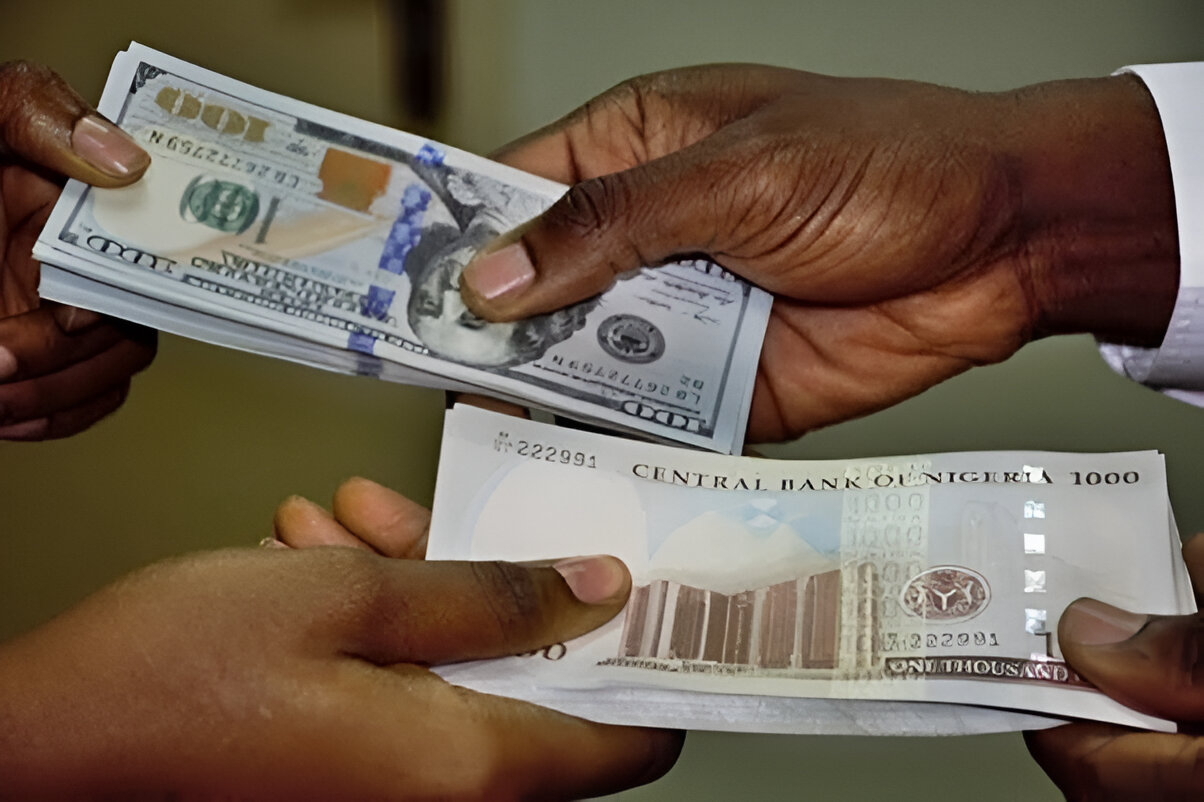
The foreign exchange rate is the price of one country’s currency in terms of another currency. For example, the exchange rate between the US dollar and Nigeria Naira shows how many Nigerian Naira are required to buy one dollar. Exchange rates are not fixed forever; they fluctuate continuously due to several economic, political, and psychological factors. Understanding these factors is crucial for governments, businesses, investors, and individuals engaged in international trade and finance.
Foreign exchange rates are shaped by a mix of economic fundamentals, market confidence, and government policies. Key determinants include interest rates, inflation, trade balances, capital flows, and political stability—all of which influence the demand and supply of a nation’s currency.
When a nation’s currency appreciates, imported goods become cheaper for its citizens, while its exports become more costly for buyers abroad. When a nation’s currency depreciates, imported goods become more expensive domestically, but its exports become more affordable in foreign markets.
When you exchange money while traveling abroad, you’ll notice that currencies are always quoted in pairs. This means one currency is measured against another—for instance, EUR/USD, GBP/USD, or CHF/JPY are all common examples of currency pairs.
Read: Difference Between Memorandum of Association and Articles of Association
Factors that Influence Exchange Rates
The foreign exchange rate refers to the value of one country’s currency in terms of another. Exchange rates fluctuate due to various economic, financial, and political forces. The major factors determining foreign exchange rates are discussed below.
1. Interest Rates
Interest rates set by a country’s central bank play a major role in currency valuation. Higher interest rates attract foreign investors seeking better returns, increasing demand for the local currency and causing appreciation. Conversely, lower interest rates reduce attractiveness, leading to depreciation.
2. Inflation
Inflation reflects changes in the purchasing power of money. Countries with low inflation tend to have stronger currencies because their goods remain competitive globally. High inflation erodes value, making imports more expensive and exports less attractive, which weakens the currency.
3. Balance of Payments
The balance of payments, especially the trade balance, directly affects currency demand. A trade surplus (exports greater than imports) increases demand for the local currency, while a trade deficit (imports greater than exports) increases demand for foreign currencies, leading to depreciation.
4. Economic Growth
Strong economic growth boosts investor confidence and attracts foreign capital, strengthening the currency. Weak growth or recession discourages investment, reducing demand for the currency and causing depreciation.
5. Capital Flows
Foreign direct investment (FDI) and portfolio investment are vital to currency stability. Inflows of capital increase demand for the local currency, while outflows (capital flight) weaken it. Political stability and sound economic policies encourage inflows, while instability drives investors away.
6. Government Debt
High levels of government debt can undermine confidence in a currency. Investors may fear inflationary financing or default, leading to depreciation. Countries with manageable debt levels inspire confidence and currency stability.
7. Political Stability
Political stability is crucial for currency strength. Stable governments attract investment, while political unrest or uncertainty leads to depreciation as investors seek safer currencies. For example, geopolitical tensions often cause volatility in affected nations’ currencies.
8. Speculation
Currency traders and speculators influence exchange rates through expectations. If investors believe a currency will strengthen, they buy more of it, driving appreciation. Negative sentiment can trigger depreciation even without immediate changes in fundamentals.
Read Also: How to improve your credit score
How Currency Rates Influence Investments
Currency exchange rates directly affect the value of international investments by altering returns, costs, and risk exposure. A stronger domestic currency reduces gains from foreign assets, while a weaker currency boosts them. Investors must manage this “currency risk” through diversification or hedging strategies.
1. Impact on Investment Returns
- Currency Appreciation (domestic currency strengthens): When a country’s currency rises in value, returns from foreign investments shrink once converted back. For example, if a Nigerian investor holds U.S. stocks and the naira appreciates against the dollar, the converted returns in naira terms will be lower.
- Currency Depreciation (domestic currency weakens): A weaker domestic currency boosts the value of foreign investments when converted back. If the naira depreciates against the dollar, returns from U.S. assets appear larger in naira terms.
2. Currency RiskExchange rate fluctuations add an extra layer of uncertainty to international investing. Even if a foreign asset performs well, unfavorable currency movements can erode gains. This risk is particularly pronounced in emerging markets, where currencies tend to be more volatile.
3. Influence on Multinational Corporations
- Exporters: A weaker domestic currency makes exports cheaper and more competitive abroad, boosting revenues.
- Importers: A stronger domestic currency reduces the cost of imports, improving profit margins.
- Earnings Translation: Companies operating globally must convert foreign earnings into their home currency. Exchange rate changes can inflate or deflate reported profits.
4. Safe Haven CurrenciesDuring global uncertainty, investors often flock to stable currencies such as the U.S. dollar (USD), Swiss franc (CHF), or Japanese yen (JPY). These currencies are perceived as safe havens, protecting investments from volatility in riskier markets.
5. Stock Market PerformanceExchange rates can influence stock prices, especially for companies heavily involved in international trade. Export-oriented firms benefit from weaker domestic currencies, while import-dependent firms may suffer. Investors often monitor currency trends to anticipate sector performance.
6. Hedging StrategiesTo manage currency risk, investors use financial instruments such as:
- Forward contracts
- Futures
- Options
These tools allow investors to lock in exchange rates or insure against unfavorable movements, reducing uncertainty in international portfolios.
Is a Strong Currency Good or Bad?
A strong currency is both good and bad—it benefits consumers and importers by making foreign goods cheaper, but it can hurt exporters and domestic industries by making their products more expensive abroad. Whether it’s “good” or “bad” depends on the balance between a country’s reliance on imports versus exports.
Why Exchange Rates Are Important
Exchange rates—the price of one currency in terms of another—are vital because they connect economies and influence everyday life. Their importance can be seen in several areas:
- Exports & Imports: Exchange rates determine how expensive or cheap goods are across borders.
- A strong currency makes imports cheaper but exports less competitive.
- A weak currency makes exports more attractive but raises the cost of imports.
Investment & Capital Flows
- Investors consider exchange rates when buying foreign stocks, bonds, or real estate.
- Currency fluctuations can increase or reduce returns on international investments.
- Stable exchange rates attract foreign direct investment (FDI).
Inflation & Prices
- Exchange rates affect the cost of imported goods, which influences inflation.
- A depreciating currency can make everyday items more expensive if they rely on imports.
Travel & Tourism
- Exchange rates determine how much purchasing power travelers have abroad.
- A strong domestic currency makes foreign travel cheaper, while a weak currency makes it costlier.
Impact of Exchange Rates on the Economy
Exchange rates—the value of one currency relative to another—are a critical driver of economic performance. They influence trade, investment, inflation, employment, and overall financial stability. Fluctuations in exchange rates can create both opportunities and challenges for a nation’s economy.
1. Impact on International Trade
- Exports: A weaker domestic currency makes exports cheaper and more competitive abroad, boosting demand for local goods.
- Imports: A stronger domestic currency makes imports cheaper, benefiting consumers but potentially hurting domestic producers.
- Trade Balance: Exchange rate movements directly affect whether a country runs a trade surplus or deficit.
2. Impact on Inflation
- Currency Depreciation: Raises the cost of imported goods, fueling inflation.
- Currency Appreciation: Reduces import costs, helping control inflation. Example: If the naira weakens against the dollar, imported fuel and food become more expensive, raising inflation in Nigeria.
3. Impact on Investment
- Foreign Direct Investment (FDI): Stable exchange rates attract investors, while volatility discourages them.
- Portfolio Investment: Currency depreciation can reduce returns for foreign investors, making them cautious.
- Domestic Investment: Exchange rate uncertainty can delay business expansion and reduce confidence.
4. Impact on Employment
- Export-driven industries benefit from a weaker currency, potentially creating jobs.
- Import-dependent industries may suffer, leading to layoffs if costs rise.
- Exchange rate stability supports long-term employment growth.
5. Impact on Government Finances
- Debt Repayments: If debt is denominated in foreign currency, depreciation makes repayment more expensive.
- Reserves Management: Governments use foreign exchange reserves to stabilize the currency, which affects fiscal policy.
6. Impact on Tourism
- A weaker currency attracts foreign tourists because their money goes further.
- A stronger currency makes the country more expensive for visitors, reducing tourism inflows.

Contact: Kokobest04@gmail.com
- Loan Refinancing vs. Debt Consolidation: What Is the Difference? - October 7, 2026
- How business revenue and credit scores affect loan size - October 3, 2026
- Business Line of Credit vs. Term Loan: Understanding the Difference - October 3, 2026