Last Updated on May 23, 2026 by admin
Social media has become an essential tool for business success and growth. Platforms such as Facebook, Instagram, TikTok, LinkedIn, and X have evolved beyond simple communication platforms where people interact with friends and family. Today, they serve as powerful marketing channels that businesses use to advertise products, engage with customers, build brand awareness, and boost sales.
Whether you own a small local business or manage a growing international company, social media provides the opportunity to connect with a large audience at a low cost. However, creating a social media account and posting occasionally is not enough to achieve meaningful results. Businesses need a well-planned and consistent marketing strategy to stand out and attract customers effectively.
This article explores practical and easy-to-understand ways businesses can use social media to improve brand visibility, connect with customers, and increase sales successfully.
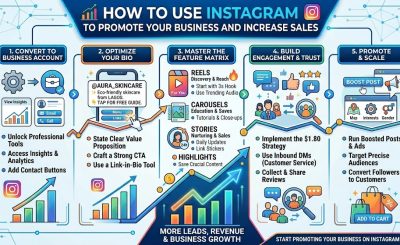
Read: How to Use Instagram to Promote Your Business and Increase Sales
Understanding Social Media Marketing
Social media marketing is the process of using social media platforms to promote products or services, engage with customers, and build brand awareness. It involves creating and sharing content, running advertisements, interacting with followers, and analyzing results to improve performance.
The main goal of social media marketing is not just to gain followers but to convert attention into sales and loyal customers.
One of the biggest advantages of social media is that it allows businesses to communicate directly with customers. Unlike traditional advertising, businesses can receive immediate feedback, answer questions, and build stronger relationships with their audience.
Importance of Social Media in Marketing
Social media has become one of the most powerful tools in modern marketing. Businesses across the world now use platforms like Facebook, Instagram, TikTok, LinkedIn, and X to connect with customers, advertise products, and strengthen their brands. Unlike traditional marketing methods, social media enables businesses to communicate directly with their audience in a faster, more affordable, and more effective manner.
One of the major benefits of social media marketing is increased brand awareness. Through regular posts, videos, and advertisements, businesses can reach a large number of people within a short period. When companies consistently share quality and engaging content, customers become more familiar with the brand, making it easier for the business to attract attention and gain recognition.
Social media also helps businesses reach their target audience more effectively. Companies can promote products to people based on factors such as age, gender, interests, location, and online behavior. This targeted approach improves marketing performance because businesses focus on people who are more likely to be interested in their products or services.
Another important advantage is improved customer communication. Social media allows businesses to interact directly with customers through comments, messages, and live chats. Customers can ask questions, give feedback, make complaints, or request information about products and services. Quick and professional responses help businesses build trust and maintain strong customer relationships.
Compared to traditional forms of advertising such as television, radio, and newspapers, social media marketing is more cost-effective. Businesses can create free business profiles, promote products with minimal expenses, and run affordable advertisements. This makes social media especially useful for small businesses and startups with limited marketing budgets.
Social media also contributes greatly to increased sales and revenue. By sharing attractive product photos, videos, promotions, and customer testimonials, businesses can influence purchasing decisions and encourage customers to buy. Many consumers now discover products directly through social media platforms, making these platforms important sales channels.
Customer trust and loyalty can also be strengthened through social media. Businesses that regularly engage with their audience, respond to comments, share useful content, and maintain honesty and transparency often build stronger relationships with customers. Loyal customers are more likely to continue supporting the brand and recommending it to others.
Another major importance of social media in marketing is access to valuable customer insights. Most social media platforms provide analytics tools that help businesses monitor performance. Companies can track engagement levels, audience demographics, post reach, and customer behavior. These insights help businesses understand what works best and improve their marketing strategies over time.
Social media encourages customer engagement by creating opportunities for interaction and participation. Businesses can connect with their audience through polls, questions, live videos, stories, contests, and giveaways. Higher engagement increases visibility and strengthens relationships between businesses and customers.
In today’s competitive market, social media also helps businesses remain relevant and competitive. Since many companies already use social media for marketing, businesses that ignore these platforms may struggle to keep up with changing consumer behavior and market trends. A strong social media presence helps companies stay connected with modern consumers.
Another advantage is that social media supports content marketing. Businesses can share educational articles, tutorials, tips, infographics, and videos that provide value to customers. Useful content helps attract attention, build trust, and retain customers over time.
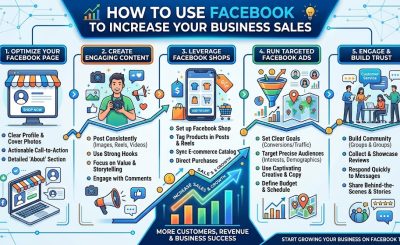
Read: How to Use Facebook to Increase Your Business Sales
Social media is also effective for boosting website traffic. By sharing links to products, blogs, or online stores, businesses can direct users to their websites and increase opportunities for sales and conversions.
Finally, social media enhances global reach by removing geographical barriers. Businesses can connect with customers from different cities and countries without opening physical branches. This creates opportunities for expansion, international exposure, and long-term business growth.
Overall, social media has transformed modern marketing by making it easier for businesses to promote products, connect with customers, and increase sales. Businesses that use social media effectively can build stronger brands, attract loyal customers, and achieve sustainable growth in today’s digital economy.
1. Create Professional Social Media Profiles
The first step to successful social media marketing is creating professional business profiles.
Your profile is often the first thing customers see, so it should reflect trust and professionalism.
To build a strong profile:
- Use a clear business logo or profile picture
- Add a high-quality cover image
- Write a simple and informative bio
- Include contact details and website links
- Use consistent brand colors and messaging
For example, if you own a fashion business, your profile should clearly communicate the type of clothing you sell and the audience you serve.
A complete and attractive profile increases credibility and encourages visitors to follow your page or buy from you.
2. Know Your Target Audience
One of the biggest mistakes businesses make is trying to sell to everyone. Successful marketing starts with understanding your target audience.
Ask yourself:
- Who are my ideal customers?
- What problems do they face?
- What social media platforms do they use most?
- What type of content attracts them?
For example:
- Young people may spend more time on TikTok and Instagram
- Professionals may prefer LinkedIn
- Older audiences may be more active on Facebook
Understanding your audience helps you create content that connects with their interests and needs.
3. Create Valuable and Engaging Content
Content is the foundation of every successful social media strategy. People do not follow brands that only post advertisements. They follow pages that provide value, entertainment, or inspiration.
Your content can include:
- Educational tips
- Product demonstrations
- Customer testimonials
- Behind-the-scenes videos
- Motivational posts
- Industry news
- Tutorials and how-to guides
For example, if you sell skincare products, instead of posting only product photos, you can share skincare tips or explain common skin problems and solutions.
Good content helps customers trust your brand before making a purchase.
4. Use High-Quality Images and Videos
Visual content performs better than plain text on social media. Attractive images and videos grab attention quickly and encourage people to engage with your posts.
To improve visual quality:
- Use good lighting
- Keep images clear and professional
- Create short, engaging videos
- Show products from different angles
- Use real-life examples when possible
Videos are especially powerful because they help customers understand your product better. A short product demonstration can convince someone to buy faster than a long written description.
5. Post Consistently
Consistency is one of the most important factors in social media success. Many businesses fail because they post irregularly and disappear for long periods.
A consistent posting schedule:
- Keeps your business visible
- Builds trust with followers
- Improves engagement
- Helps social media algorithms promote your content
You do not need to post every hour, but regular activity is important. Posting several times a week can keep your audience interested and connected to your brand.
Read: How to use x twitter to market and increase business sales
6. Engage With Your Audience
Social media is designed for interaction. Businesses that ignore comments and messages lose potential customers.
To improve engagement:
- Reply to comments politely
- Answer direct messages quickly
- Ask questions in your posts
- Encourage discussions
- Appreciate customer feedback
Engagement makes your business feel more human and approachable. Customers are more likely to buy from brands that communicate openly and respectfully.
7. Use Influencer Marketing
Influencer marketing has become one of the most effective ways to increase sales through social media.
Influencers are people with loyal followers who trust their recommendations. When they promote your product, their audience is more likely to pay attention.
You can work with:
- Local influencers
- Industry experts
- Content creators
- Micro-influencers with smaller but engaged audiences
For example, a beauty influencer reviewing your skincare product can expose your business to thousands of potential customers instantly.
8. Run Paid Advertisements
Organic reach is valuable, but paid advertising helps businesses grow faster.
Social media ads allow you to target people based on:
- Age
- Gender
- Interests
- Location
- Online behavior
This means your ads are shown to people who are more likely to buy your product.
To create successful ads:
- Use eye-catching visuals
- Keep your message clear
- Highlight benefits, not just features
- Add a strong call-to-action such as “Shop Now” or “Send Message”
Even small advertising budgets can produce good results when targeted properly.
9. Use Stories and Short Videos
Stories and short-form videos have become extremely popular on platforms like Instagram, Facebook, and TikTok.
These formats help businesses:
- Stay visible daily
- Share quick updates
- Promote offers
- Show behind-the-scenes content
- Increase engagement
Because stories disappear after 24 hours, they create urgency and encourage viewers to act quickly.
10. Build Trust Through Customer Reviews
People trust customer reviews more than direct advertising.
Encourage satisfied customers to:
- Leave reviews
- Share testimonials
- Post photos using your products
- Tag your business in their posts
Positive reviews build social proof, which makes new customers feel more confident about buying from you.
11. Offer Promotions and Discounts
Promotions attract attention and encourage quick purchasing decisions.
Examples include:
- Limited-time discounts
- Buy one, get one free offers
- Free delivery promotions
- Seasonal sales
- Giveaway contests
These strategies create excitement and motivate customers to take action immediately.
12. Analyze Your Performance
Most social media platforms provide analytics tools that help businesses track performance.
You can measure:
- Post engagement
- Follower growth
- Reach and impressions
- Website clicks
- Conversion rates
By studying this data, you can understand what works best and improve your marketing strategy over time.
Read: What’s the Difference between Credit Score vs Credit Rating
13. Build a Strong Brand Identity
Your brand identity is how people recognize and remember your business.
To build a strong identity:
- Use consistent colors and fonts
- Maintain a clear tone of voice
- Share your brand story
- Stay authentic and honest
A strong brand helps your business stand out in a crowded market.
14. Focus on Relationship Building
Social media marketing is not only about selling products—it is about building relationships.
Customers who feel connected to your business are more likely to:
- Buy repeatedly
- Recommend your brand to others
- Stay loyal over time
Businesses that focus only on sales often struggle to maintain customer loyalty. Relationship building creates long-term growth.
15. Stay Updated With Trends
Social media trends change quickly. Businesses that adapt to new trends often gain more visibility and engagement.
Examples include:
- Viral challenges
- Trending sounds
- New content formats
- Seasonal topics
However, trends should still match your brand and audience. Following every trend blindly can make your business look unprofessional.
Challenges of Social Media Marketing
Although social media offers many benefits, businesses may face challenges such as:
- High competition
- Negative comments
- Changing algorithms
- Time-consuming content creation
Despite these challenges, businesses that remain consistent and creative usually achieve positive results over time.
Conclusion
Social media has transformed the way businesses connect with customers and increase sales. It provides affordable and powerful marketing opportunities for businesses of all sizes.
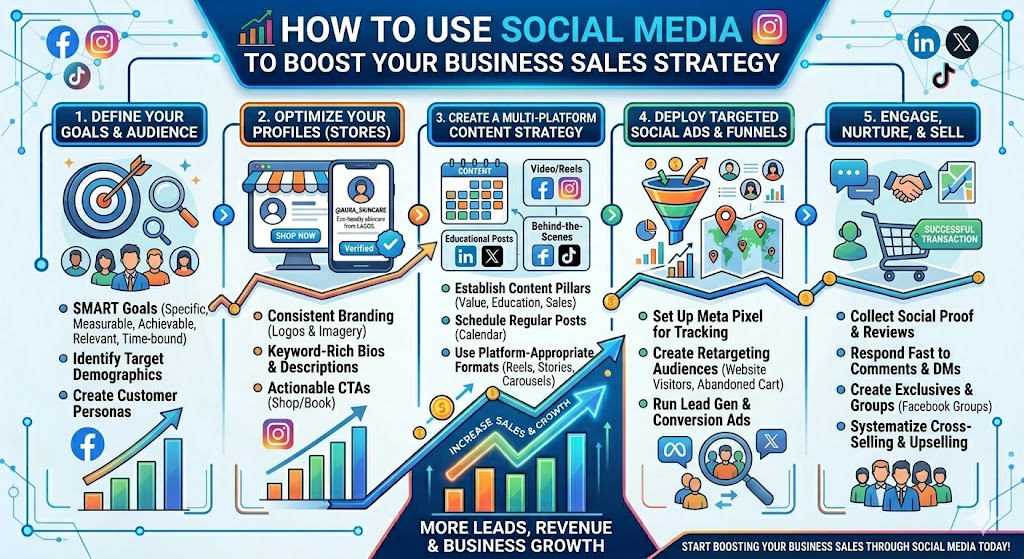
To use social media successfully, businesses must:
- Create professional profiles
- Understand their audience
- Share valuable content
- Engage consistently
- Use visuals and videos effectively
- Run targeted advertisements
- Build trust through relationships and reviews
The most successful businesses on social media are not always the biggest companies. Often, they are the brands that communicate genuinely, provide value, and stay consistent.
When used correctly, social media becomes more than just a marketing platform—it becomes a long-term strategy for business growth, customer loyalty, and increased sales.

Contact: Kokobest04@gmail.com
- Loan Refinancing vs. Debt Consolidation: What Is the Difference? - October 7, 2026
- How business revenue and credit scores affect loan size - October 3, 2026
- Business Line of Credit vs. Term Loan: Understanding the Difference - October 3, 2026