Last Updated on June 5, 2026 by admin
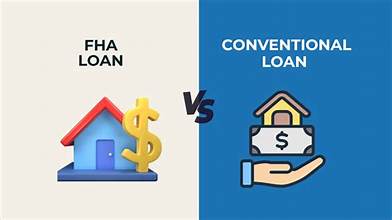
Buying a home is one of the biggest financial decisions most people will ever make. For many aspiring homeowners, securing the right mortgage is just as important as finding the perfect property. Among the most popular mortgage options available today are FHA loans and conventional loans. While both can help you purchase a home, they differ significantly in terms of eligibility requirements, down payment amounts, mortgage insurance, and overall costs.
Understanding these differences can help you choose the loan that best fits your financial situation and long-term goals. Whether you are a first-time homebuyer or someone looking to purchase another property, knowing the advantages and disadvantages of FHA and conventional loans can save you money and reduce stress during the home-buying process.
Read; What Is a Debt Consolidation Loan and How Does It Work?
What Is an FHA Loan?
An FHA loan is a mortgage backed by the Federal Housing Administration, a government agency under the U.S. Department of Housing and Urban Development. The government doesn’t actually lend you the money — your lender does — but the FHA promises to reimburse the lender if you stop making payments. That guarantee is what makes lenders more willing to approve borrowers who might not qualify for other loan types.
FHA loans were created in the 1930s, partly in response to the Great Depression, to help more Americans become homeowners. And they still serve that purpose today. If your credit isn’t perfect, your down payment savings are limited, or your financial history has a few bumps, an FHA loan might be your most accessible path to homeownership.
Key Features of FHA Loans
- Down payments as low as 3.5%
- More flexible credit score requirements
- Government-backed mortgage insurance
- Competitive interest rates
- Available through approved lenders
FHA loans are designed to reduce barriers to homeownership and provide opportunities for borrowers who may have experienced financial challenges in the past.
What Is a Conventional Loan?
A conventional loan is a mortgage that isn’t backed by any government agency. Instead, it follows guidelines set by Fannie Mae and Freddie Mac — two government-sponsored enterprises that buy mortgages from lenders on the secondary market.
Because there’s no government guarantee behind a conventional loan, lenders take on more risk. To offset that risk, they typically require stronger financial credentials from borrowers — better credit scores, larger down payments, and lower debt levels. In return, conventional loans often come with lower long-term costs and fewer restrictions.
Features of Conventional Loans
- Available with down payments as low as 3%
- Typically require higher credit scores
- No upfront mortgage insurance fee
- Private mortgage insurance may be removable
- More flexible property options
Because lenders assume more risk with conventional loans, borrowers must often demonstrate stronger financial credentials.
FHA Loans vs Conventional Loans: Major Differences
1. Credit Score Requirements
One of the biggest differences between FHA and conventional loans is their credit score requirements.
FHA loans are designed to be more accessible to borrowers with limited or imperfect credit histories. You may qualify with a credit score as low as 500. Borrowers with scores between 500 and 579 are generally required to make a minimum down payment of 10%, while those with a score of 580 or higher can qualify with as little as 3.5% down. This flexibility makes FHA loans an attractive option for first-time homebuyers and individuals working to rebuild their credit.
Conventional loans typically have stricter credit standards. Most lenders require a minimum credit score of 620, and borrowers with scores of 740 or higher usually receive the most favorable interest rates and loan terms. In general, a stronger credit profile leads to lower borrowing costs.
For borrowers who have experienced past credit challenges, such as missed payments or collection accounts, FHA loans often provide a more forgiving path to homeownership.
2. Down Payment Requirements
FHA loans are known for their low down payment requirements. Qualified borrowers with a credit score of 580 or above can purchase a home with just 3.5% down. For example, on a $250,000 home, the required down payment would be $8,750. This lower upfront cost can make homeownership more attainable for buyers who have limited savings.
Conventional loans may also offer low down payment options, with some programs requiring as little as 3% down for eligible first-time buyers. However, many borrowers choose to put down between 5% and 20%. A 20% down payment is often considered ideal because it eliminates the need for private mortgage insurance (PMI), reducing monthly housing costs.
3. Mortgage Insurance
Mortgage insurance is an important factor to consider when comparing FHA and conventional loans, as it can significantly impact the total cost of borrowing.
FHA loans require two types of mortgage insurance:
- An upfront Mortgage Insurance Premium (MIP) equal to 1.75% of the loan amount, which is usually financed into the loan balance.
- An annual MIP that is paid monthly and typically ranges from 0.15% to 0.75% of the loan amount, depending on the loan terms and down payment.
A key drawback of FHA mortgage insurance is that it often remains in place for a long period. Borrowers who make a down payment of less than 10% must generally pay MIP for the life of the loan. Those who put down 10% or more can have MIP removed after 11 years. Unlike conventional loans, FHA mortgage insurance cannot be canceled simply because the borrower reaches 20% equity.
Conventional loans handle mortgage insurance differently. Borrowers who put down less than 20% are typically required to pay PMI. However, PMI can be removed once the homeowner reaches 20% equity in the property. Additionally, lenders are required to automatically terminate PMI when the loan balance reaches 78% of the home’s original value, equivalent to 22% equity.
Over time, this difference can result in substantial savings for conventional loan borrowers, particularly those who plan to remain in their homes for many years and expect their equity to increase.
Read: Secured vs Unsecured Personal Loans Explained
4. Loan Limits
Both FHA and conventional loans have borrowing limits, but conventional loans generally allow for higher loan amounts.
FHA loan limits vary by county and are adjusted annually. In most areas, the 2024 limit for a single-family home is approximately $498,257. In higher-cost housing markets, such as major metropolitan areas, the limit can increase significantly, reaching as much as $1,149,825.
Conventional loans offer higher conforming loan limits. For 2024, the standard conforming loan limit is $766,550 in most regions, with higher limits available in designated high-cost areas. Borrowers seeking loan amounts above these limits typically need to apply for a jumbo loan, which has separate qualification requirements.
For buyers purchasing moderately priced homes, loan limits may not be a major consideration. However, they can become an important factor in expensive real estate markets.
5. Property Requirements
FHA loans have stricter property standards designed to ensure that homes meet minimum safety and livability requirements.
As part of the approval process, an FHA appraiser evaluates both the property’s value and condition. Issues such as peeling paint, roof damage, broken windows, or safety hazards may need to be repaired before the loan can be approved. While these standards help protect buyers, they can complicate transactions involving older or distressed properties.
This can create challenges when purchasing a fixer-upper, as required repairs may need to be completed before closing. In some cases, sellers may prefer offers from buyers using conventional financing to avoid potential delays or repair requests.
Conventional loans generally provide greater flexibility. Although an appraisal is still required, the primary focus is on determining the property’s market value rather than ensuring it meets specific FHA condition standards. As a result, conventional financing is often a better option for buyers interested in homes that require renovation or repairs.
6. Debt-to-Income (DTI) Ratio
The debt-to-income (DTI) ratio measures how much of your monthly income is used to cover debt obligations. Lenders use this metric to assess your ability to manage a mortgage payment alongside your existing debts.
FHA loans are typically more flexible regarding DTI ratios. While the standard guideline is around 43%, some lenders may approve borrowers with ratios as high as 50% if other factors, such as strong income or cash reserves, support the application.
Conventional loans generally prefer DTI ratios between 43% and 45%. However, borrowers with excellent credit scores, substantial savings, or larger down payments may qualify with higher ratios in certain circumstances.
For individuals carrying higher levels of debt, FHA loans often provide a more accommodating option, while conventional loans tend to favor borrowers with stronger overall financial profiles
Read: How to Get a Personal Loan with Bad Credit
Advantages of FHA Loans
FHA loans offer several benefits that make homeownership more attainable for a wide range of buyers, particularly first-time homeowners and those with less-than-perfect credit.
Easier Qualification Requirements
One of the biggest advantages of an FHA loan is its flexible qualification criteria. Borrowers who may struggle to meet the stricter requirements of conventional lenders often find it easier to qualify for FHA financing.
Lower Down Payment Requirements
Qualified borrowers can purchase a home with as little as 3.5% down, making it possible to become a homeowner without years of saving for a large upfront payment.
More Forgiving Credit Standards
FHA loans are designed to accommodate borrowers who have experienced financial challenges in the past. Previous bankruptcies, foreclosures, or periods of poor credit may not automatically prevent approval, provided certain waiting periods and requirements have been met.
Competitive Interest Rates
Because FHA loans are backed by the federal government, lenders often offer competitive interest rates, helping borrowers keep their monthly mortgage payments more affordable.
Read: Personal Loan vs Credit Card: Which Is Better?
Disadvantages of FHA Loans
While FHA loans provide valuable benefits, they also come with certain limitations that borrowers should carefully consider.
Long-Term Mortgage Insurance Costs
Many FHA borrowers are required to pay mortgage insurance premiums (MIP) for an extended period, and in some cases, for the life of the loan. This can significantly increase the total cost of homeownership over time.
Upfront Mortgage Insurance Premium
In addition to monthly mortgage insurance payments, FHA loans require an upfront mortgage insurance premium. Although this fee can be rolled into the loan amount, it increases the overall amount borrowed.
Property Eligibility Requirements
Homes financed with FHA loans must meet specific safety, security, and livability standards. Properties that require substantial repairs may not qualify without corrective work being completed first.
Lower Loan Limits
FHA loan limits are generally lower than those of conventional loans. In high-cost housing markets, these limits may restrict the type or price range of homes buyers can consider.
Advantages of Conventional Loans
Conventional loans offer several benefits for borrowers with strong credit and stable financial profiles.
Lower Long-Term Borrowing Costs
Unlike FHA mortgage insurance, private mortgage insurance (PMI) on conventional loans can be removed once sufficient equity is built. This can result in substantial savings over the life of the loan.
Greater Property Flexibility
Conventional financing typically has fewer property-related restrictions. Buyers may have an easier time purchasing homes that need cosmetic updates or minor repairs.
Higher Loan Limits
Conventional loans generally allow borrowers to finance more expensive properties, making them a popular option in areas with higher home prices.
Excellent Terms for Qualified Borrowers
Individuals with strong credit scores, stable income, and larger down payments often qualify for lower interest rates and more favorable loan terms, reducing the overall cost of borrowing.
Read: How to Use Chase Mobile Banking
Disadvantages of Conventional Loans
Despite their advantages, conventional loans are not the best fit for every borrower.
Stricter Credit Standards
Conventional lenders typically require higher credit scores and a stronger credit history, which can make qualification more challenging for some applicants.
Stronger Financial Requirements
Borrowers may need higher income levels, lower debt-to-income ratios, and larger cash reserves to qualify for the most competitive loan programs.
Higher Costs for Lower Credit Scores
Applicants with weaker credit profiles may face higher interest rates, increased mortgage insurance costs, or difficulty obtaining approval compared to borrowers with stronger financial credentials.
Who Should Consider an FHA Loan?
An FHA loan can be an excellent option for borrowers who may not meet the stricter requirements of conventional financing. It is often the preferred choice if:
- Your credit score is below 620 and you are still rebuilding your credit profile.
- You have limited savings available for a down payment.
- You have experienced financial setbacks such as bankruptcy or foreclosure and need a shorter waiting period before qualifying for a mortgage.
- You are a first-time homebuyer with little or no established credit history.
- Your debt-to-income ratio is higher than what many conventional lenders typically allow.
The main downside of an FHA loan is the added cost of mortgage insurance, which can increase your overall borrowing expenses. In addition, FHA loans come with specific property requirements that may limit your home-buying options.
Who Should Consider a Conventional Loan?
A conventional loan is often the better choice for borrowers with stronger financial qualifications. You may benefit from a conventional mortgage if:
- You have a credit score of 620 or higher, with scores above 700 generally receiving the most favorable terms.
- You can make a down payment of at least 5%, with 20% or more being ideal.
- You want the ability to remove private mortgage insurance (PMI) once you build enough equity in your home.
- You are purchasing a property that may need minor repairs or cosmetic improvements.
- You need a loan amount that exceeds FHA lending limits.
- You are buying a second home, vacation property, or investment property, which are not eligible for FHA financing.
For qualified borrowers, conventional loans often provide greater long-term savings, especially when a larger down payment eliminates the need for mortgage insurance altogether.
Can You Switch from an FHA Loan to a Conventional Loan?
Absolutely. Many homeowners begin with an FHA loan because of its flexible qualification standards and lower down payment requirements. As their financial situation improves, they often refinance into a conventional loan.
Refinancing can help reduce borrowing costs, eliminate FHA mortgage insurance, and potentially secure a lower interest rate. However, borrowers should remember that refinancing involves closing costs, which typically range between 2% and 5% of the loan amount.
Why the Seller’s Perspective Matters
Many homebuyers focus solely on their financing options, but it’s also important to consider how sellers view different loan types.
In competitive housing markets, some sellers may favor buyers using conventional loans because these loans generally involve fewer property-related conditions. FHA financing requires homes to meet certain standards during the appraisal process, which can sometimes create delays or additional negotiations if issues are discovered.
While FHA-backed offers are accepted every day, buyers should be aware that a conventional loan may provide a slight advantage when competing against multiple offers, particularly for older homes or properties that need repairs.
The Bottom Line
Choosing between an FHA loan and a conventional loan is not about determining which option is universally better. The right choice depends on your financial situation, credit history, savings, and long-term goals.
If you have limited savings, a lower credit score, or recent financial challenges, an FHA loan can provide an affordable path to homeownership that might otherwise be out of reach.
On the other hand, if you have strong credit and can afford a larger down payment, a conventional loan may offer lower long-term costs, greater flexibility, and the opportunity to eliminate mortgage insurance in the future.
Before making a final decision, compare offers from multiple lenders and request loan estimates for both FHA and conventional financing if you qualify. Rather than focusing only on the monthly payment, evaluate the total cost of each loan over its lifetime. You may also benefit from speaking with a HUD-approved housing counselor who can provide objective guidance at no cost.
Purchasing a home is one of the most significant financial investments you will ever make. Understanding your mortgage options is just as important as finding the right property. By taking the time to evaluate your choices carefully, you can select the loan that best supports your financial future and homeownership goals.

Contact: Kokobest04@gmail.com
- Role and important of International Monetary Fund (IMF) - July 30, 2026
- Role and Impact of the World Bank - July 28, 2026
- HELOC vs Home Equity Loan: What Is the Difference? - June 27, 2026