Last Updated on June 9, 2026 by admin
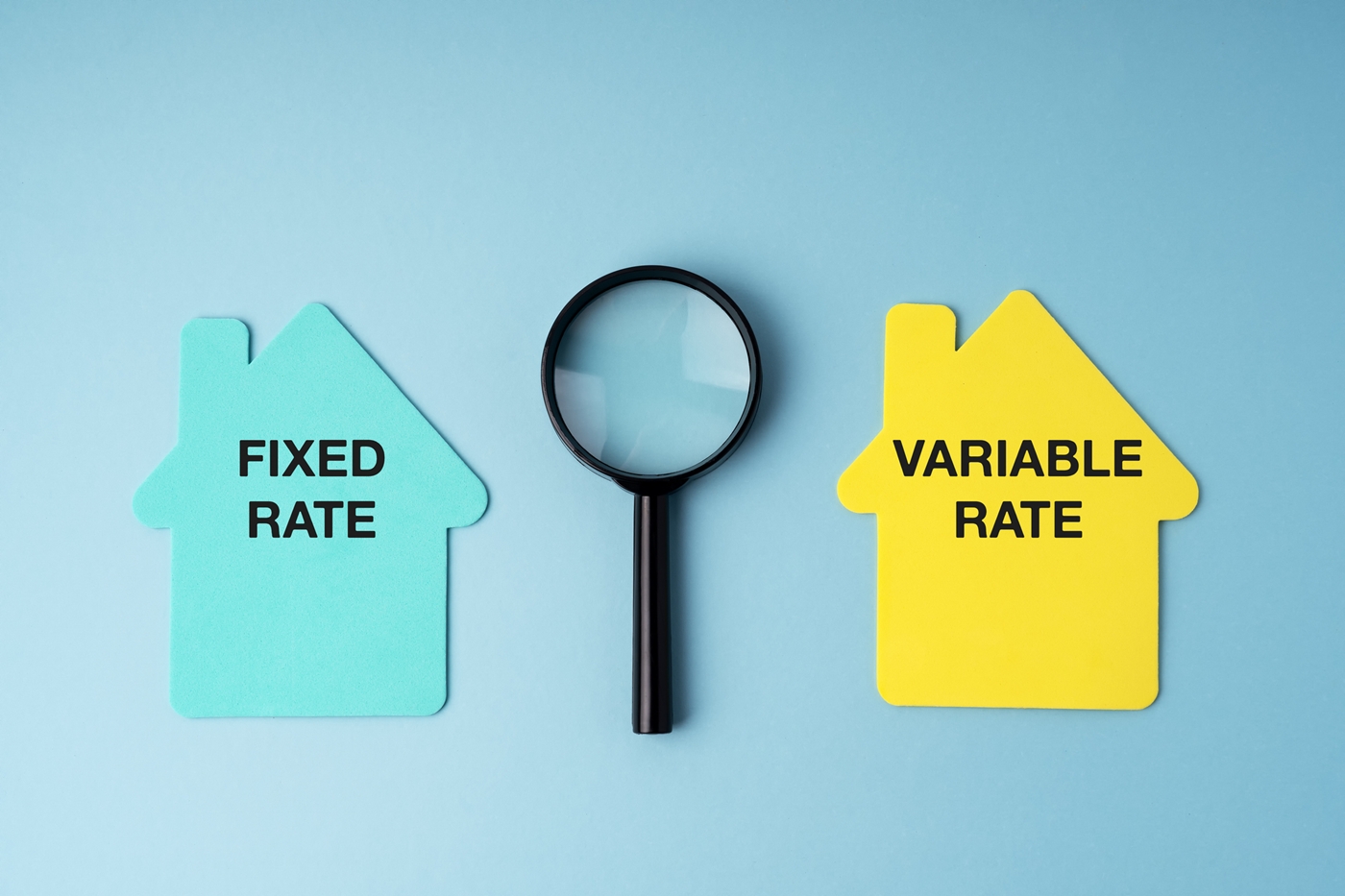
For many Canadians, buying a home is one of the biggest financial decisions they will ever make. Whether purchasing a first home, upgrading to a larger property, or investing in real estate, securing the right mortgage is a critical part of the process. One of the most important choices borrowers face is deciding between a fixed mortgage rate and a variable mortgage rate.
The decision can significantly affect monthly payments, the total amount of interest paid over time, and overall financial stability. While there is no universal answer that fits every homeowner, understanding the advantages and disadvantages of each option can help Canadians make informed decisions that align with their financial goals and risk tolerance.
This article explores fixed and variable mortgage rates, how they work, their benefits and drawbacks, and the key factors Canadians should consider when choosing between them.
Understanding Mortgage Rates
A mortgage rate is the interest a lender charges on the money borrowed to buy a home. In addition to repaying the amount borrowed (the principal), homeowners must also pay this interest over the life of the mortgage. The mortgage rate plays a major role in determining the total cost of homeownership and the size of monthly mortgage payments.
In Canada, mortgage rates are influenced by several factors, including:
- The monetary policy decisions of the Bank of Canada.
- Current economic conditions and inflation levels.
- Government bond yields.
- The borrower’s credit score and financial profile.
- The mortgage term and amortization period selected.
When choosing a mortgage, Canadian homebuyers generally have two main options: a fixed-rate mortgage or a variable-rate mortgage. Each offers different advantages and risks depending on market conditions and personal financial goals.
Read: Canada Mortgage and Housing Corporation (CMHC):Its Role, Functions, and Impact
What Is a Fixed Mortgage Rate?
A fixed mortgage rate stays the same for the entire length of the mortgage term. Whether the term lasts one year, three years, five years, or even ten years, the interest rate does not change, regardless of fluctuations in the economy or financial markets.
For example, if a homeowner secures a five-year fixed mortgage at an interest rate of 4.5%, that rate will remain unchanged throughout the five-year term. As a result, the monthly mortgage payments will also remain stable, making it easier to budget and plan household finances.
Many Canadians choose fixed-rate mortgages because they provide certainty and protection against rising interest rates. Knowing exactly how much the mortgage payment will be each month can offer peace of mind, especially during periods of economic uncertainty.
Advantages of Fixed Mortgage Rates
1. Predictable Payments
One of the main advantages of a fixed-rate mortgage is the stability it offers. Homeowners know exactly how much they will pay each month throughout the mortgage term, which makes budgeting much easier.
This consistency is especially helpful for families on fixed incomes or anyone who prefers financial certainty in their monthly planning.
2. Protection Against Rising Interest Rates
A fixed mortgage rate protects borrowers from increases in interest rates during the term. Even if market rates rise significantly, the borrower’s rate remains unchanged.
This protection can be reassuring during periods of economic uncertainty or inflation.
3. Easier Financial Planning
Because payments remain stable, homeowners can plan their finances with greater confidence. It becomes easier to set long-term savings goals, manage household expenses, and make investment decisions without worrying about fluctuating housing costs.
4. Reduced Financial Stress
Many homeowners value the peace of mind that comes with a fixed mortgage. Knowing that monthly payments will not suddenly increase due to market changes helps reduce financial anxiety.
Read: Different between FHA Loans vs. Conventional Loans
Disadvantages of Fixed Mortgage Rates
1. Higher Initial Rates
Fixed mortgage rates are often slightly higher than variable rates at the start of a mortgage term. This means borrowers may pay more interest upfront in exchange for stability and predictability.
2. Less Flexibility
Fixed-rate mortgages typically come with higher penalties for breaking the mortgage early. If a borrower needs to refinance or sell their home before the term ends, the costs can be significant, especially if interest rates have dropped.
3. Missed Savings Opportunities
If market interest rates fall, borrowers with fixed-rate mortgages do not benefit automatically. Their rate remains locked in until the end of the term, meaning they could miss out on potential savings.
What Is a Variable Mortgage Rate?
A variable mortgage rate changes over time based on a lender’s prime lending rate, which is influenced by the Bank of Canada’s benchmark interest rate.
As economic conditions shift, the rate can go up or down. Depending on the mortgage structure, either the monthly payment changes or the portion of the payment going toward interest and principal is adjusted.
Advantages of Variable Mortgage Rates
1. Potential for Lower Overall Costs
Over the long term, variable-rate mortgages have often been cheaper than fixed-rate options, especially when interest rates remain stable or decline.
Borrowers can save significantly if market conditions are favorable.
2. Lower Starting Rates
Variable mortgages usually begin with lower interest rates compared to fixed mortgages. This can translate into lower initial monthly payments and reduced early borrowing costs.
3. Greater Flexibility
Many variable-rate mortgages come with lower penalties for breaking the mortgage early. This can be beneficial for homeowners who plan to sell or refinance before the term ends.
4. Benefit from Falling Interest Rates
When interest rates decrease, borrowers may enjoy lower borrowing costs and, in some cases, reduced monthly payments.
Read: What Is a Debt Consolidation Loan and How Does It Work?
Disadvantages of Variable Mortgage Rates
1. Uncertainty
The biggest drawback is unpredictability. Interest rates can rise unexpectedly, increasing monthly payments or overall borrowing costs.
2. Budgeting Challenges
Because payments can change, it becomes harder to plan long-term budgets with certainty. This can create financial uncertainty for some households.
3. Financial Pressure During Rate Increases
When interest rates rise, homeowners may experience higher payments, which can strain monthly budgets and reduce disposable income.
4. Higher Risk for First-Time Buyers
Variable rates may be more challenging for first-time homeowners who have limited financial buffers to handle sudden increases in payments.
How the Bank of Canada Influences Mortgage Rates
The Bank of Canada plays a major role in shaping mortgage rates across the country.
When inflation rises, the Bank may increase its policy interest rate to slow down economic activity and control price growth. This often leads to higher borrowing costs, especially for variable-rate mortgages.
Fixed mortgage rates are more closely tied to government bond yields and investor expectations about future economic conditions.
Although the Bank of Canada does not set mortgage rates directly, its decisions strongly influence lending rates throughout the financial system and, ultimately, what Canadians pay for their mortgages.
Comparing Fixed and Variable Mortgage Rates
| Feature | Fixed Rate Mortgage | Variable Rate Mortgage |
|---|---|---|
| Interest Rate | Remains constant | Fluctuates with market rates |
| Monthly Payments | Predictable | May change |
| Budgeting | Easier | Less predictable |
| Risk Level | Lower | Higher |
| Potential Savings | Limited | Potentially greater |
| Protection from Rate Increases | Yes | No |
| Benefit from Rate Decreases | No | Yes |
| Early Termination Penalties | Usually higher | Often lower |
Which Mortgage Option Is Better?
There is no single answer because the right choice depends on individual circumstances.
Fixed Rates May Be Better For:
- First-time homebuyers.
- Families with tight budgets.
- Individuals who prefer certainty.
- Borrowers concerned about rising interest rates.
- People who value financial stability over potential savings.
Variable Rates May Be Better For:
- Borrowers comfortable with financial risk.
- Homeowners with strong cash flow.
- Individuals expecting rates to remain stable or decline.
- Those seeking potentially lower long-term borrowing costs.
- People who may refinance or sell before the mortgage term ends.
Read: Secured vs Unsecured Personal Loans Explained
Current Economic Considerations for Canadians
Economic conditions play a significant role when choosing between fixed and variable rates.
Recent years have demonstrated how quickly interest rates can change. Many Canadians experienced historically low mortgage rates during the pandemic period, followed by rapid increases as inflation surged.
These experiences highlighted both the opportunities and risks associated with variable-rate borrowing.
Before making a decision, borrowers should consider:
- Inflation trends.
- Employment stability.
- Economic growth forecasts.
- Bank of Canada announcements.
- Personal financial circumstances.
Understanding the broader economic environment can help homeowners assess the likelihood of future interest rate changes.
Questions Canadians Should Ask Before Choosing
Before selecting a mortgage type, borrowers should consider several important questions:
Can I Handle Higher Payments?
If rates increase, would the household budget still remain manageable?
Do I Prefer Certainty or Flexibility?
Some individuals value peace of mind, while others are comfortable accepting uncertainty for potential savings.
What Is My Financial Cushion?
Emergency savings can help homeowners manage unexpected payment increases associated with variable-rate mortgages.
How Long Will I Stay in This Home?
People planning to move within a few years may prefer mortgage products with lower prepayment penalties.
What Are My Long-Term Financial Goals?
Mortgage decisions should align with broader financial objectives such as retirement planning, investing, education funding, or debt reduction.
Read: Personal Loan vs Credit Card: Which Is Better?
The Hybrid Mortgage Option
Some Canadian lenders offer hybrid or combination mortgages. These products divide the mortgage into fixed-rate and variable-rate portions.
For example, half the mortgage may be fixed while the other half remains variable.
This approach provides a balance between security and flexibility. Borrowers can benefit from some protection against rising rates while still participating in potential rate decreases.
Although hybrid mortgages may not suit everyone, they can be an attractive compromise for homeowners who are uncertain about future market conditions.
Seeking Professional Advice
Mortgage decisions can have long-lasting financial consequences. Working with a mortgage broker, financial advisor, or lending professional can help borrowers evaluate their options more thoroughly.
Professionals can assess factors such as:
- Income stability.
- Debt levels.
- Credit history.
- Risk tolerance.
- Homeownership goals.
Personalized advice often leads to better financial outcomes than relying solely on general market predictions.
Read: How to Get a Personal Loan with Bad Credit
Conclusion
Choosing between a fixed and variable mortgage rate is one of the most important decisions Canadian homebuyers face. Fixed-rate mortgages offer stability, predictability, and protection from rising interest rates, making them attractive for individuals who value certainty. Variable-rate mortgages, on the other hand, provide flexibility and the potential for long-term savings but come with greater uncertainty and risk.
The best choice depends on personal financial circumstances, market conditions, and individual comfort with risk. Canadians should carefully evaluate their budgets, future plans, and economic outlook before making a decision.
Ultimately, there is no universally correct answer. A mortgage should support a homeowner’s broader financial goals while providing a comfortable balance between affordability, flexibility, and peace of mind. By understanding how fixed and variable mortgage rates work, Canadians can make informed choices that help them achieve long-term financial success and homeownership stability.

Contact: Kokobest04@gmail.com
- Loan Refinancing vs. Debt Consolidation: What Is the Difference? - October 7, 2026
- How business revenue and credit scores affect loan size - October 3, 2026
- Business Line of Credit vs. Term Loan: Understanding the Difference - October 3, 2026