Last Updated on May 26, 2026 by admin
The banking system plays an important role in every economy. People deposit money into banks because they believe their funds will remain safe and accessible whenever needed. However, throughout history, there have been moments when banks collapsed, leaving customers unable to recover their savings. To restore confidence in the banking system and protect depositors, the United States government created the Federal Deposit Insurance Corporation, commonly known as the FDIC.
The FDIC is one of the most important financial protection agencies in the United States. It protects depositors when insured banks fail and helps maintain trust in the financial system. Even though millions of Americans rely on FDIC protection, many people do not fully understand how it works or its limitations. While the FDIC provides valuable protection, it does not cover every type of financial loss or account.
This article explains what the FDIC is, how it works, its history, benefits, and the major limitations consumers should know before relying entirely on deposit insurance.
Meaning of the FDIC
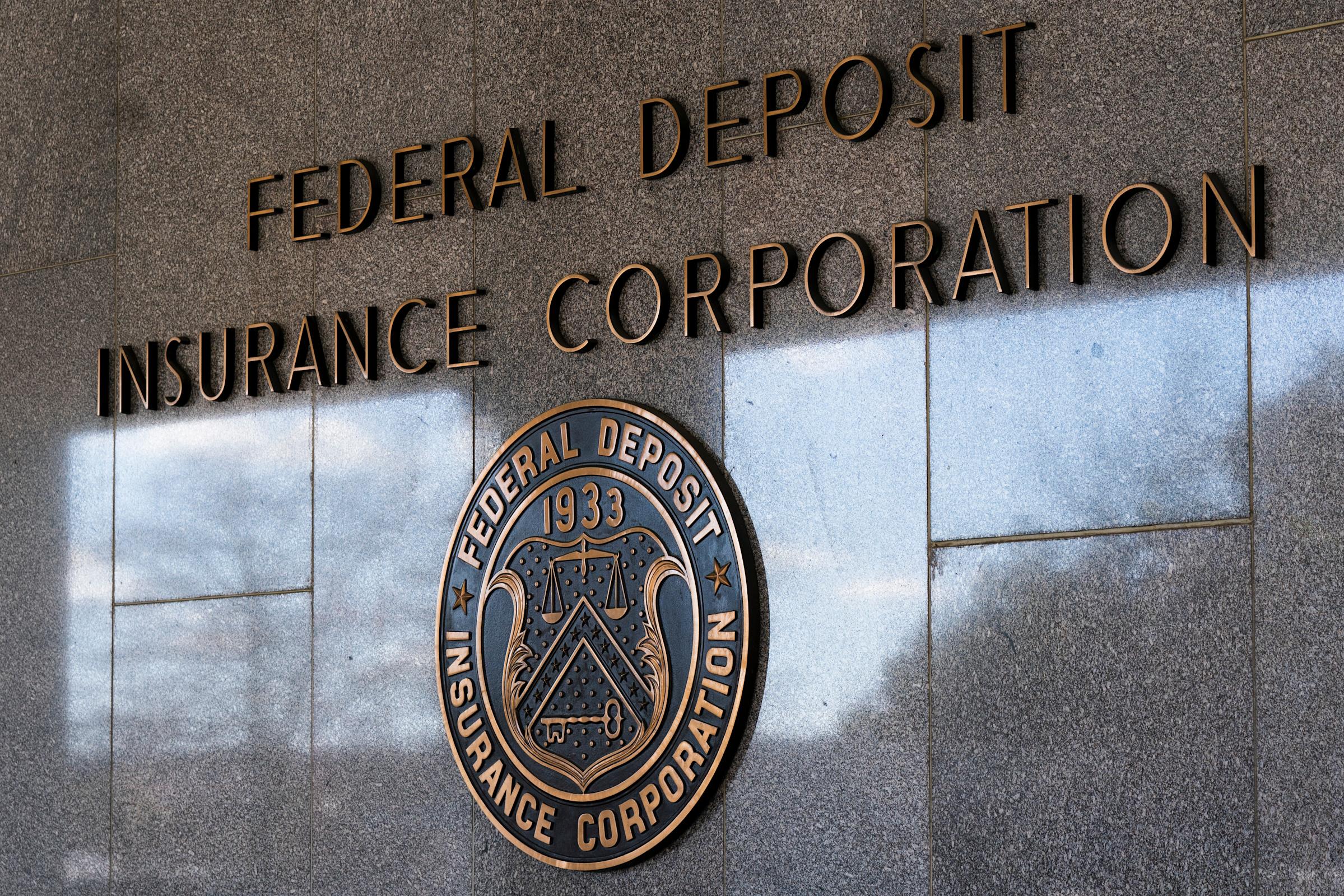
The Federal Deposit Insurance Corporation (FDIC) is an independent agency of the United States government that protects depositors against the loss of their insured deposits if a bank fails.
In simple terms, if an FDIC-insured bank closes because it cannot meet its financial obligations, the FDIC steps in to reimburse customers for their insured money up to the legal limit.
The FDIC was established in 1933 during the Great Depression after thousands of American banks collapsed. At that time, many people lost their life savings because there was no insurance protection for bank deposits. The widespread panic caused people to rush to banks to withdraw their money, creating even more financial instability.
To stop these bank runs and rebuild confidence, the government introduced federal deposit insurance through the Banking Act of 1933.
Today, the FDIC remains a key part of the American financial system.
Read: The 5 Cs of Credit Explained: Meaning, Uses, and Importance
History of the FDIC
The history of the FDIC is closely connected to one of the darkest economic periods in American history—the Great Depression.
During the early 1930s, the United States experienced severe economic hardship. Thousands of banks failed because customers rushed to withdraw their deposits at the same time. Since banks keep only a portion of deposits in cash reserves, many institutions could not meet customer demands.
Between 1929 and 1933, approximately 9,000 banks failed in the United States. Millions of people lost their savings, businesses shut down, unemployment increased, and public trust in banks disappeared.
To solve this crisis, President Franklin D. Roosevelt signed the Banking Act of 1933 into law. This law created the FDIC.
Initially, deposit insurance covered only small amounts of money. Over time, the insurance limit increased as the economy expanded and inflation rose.
Important milestones in FDIC history include:
- 1934: FDIC officially began operations
- 1950: Deposit insurance limit increased
- 1980s: FDIC handled savings and loan crises
- 2008 financial crisis: Insurance limit temporarily increased
- 2010: Permanent insurance limit set at $250,000 per depositor per insured bank
Today, the FDIC continues to monitor banks, insure deposits, and protect financial stability.
Main Functions of the FDIC
The FDIC performs several important functions beyond simply insuring deposits.
Deposit Insurance
The primary responsibility of the FDIC is to insure customer deposits at participating banks. If a bank fails, insured depositors receive their money back quickly, usually within a few days.
Supervising Financial Institutions
The FDIC supervises and examines certain banks to ensure they operate safely and follow banking laws and regulations.
Managing Failed Banks
When a bank collapses, the FDIC acts as a receiver. It manages the failed bank’s assets, pays insured depositors, and attempts to recover funds.
Maintaining Public Confidence
The FDIC helps prevent panic within the financial system. Because people know their deposits are insured, they are less likely to withdraw money during economic uncertainty.
Promoting Financial Stability
By reducing fear and uncertainty, the FDIC contributes to the overall stability of the banking sector and economy
How FDIC Insurance Works
FDIC insurance protects deposits held in insured banks.
When customers deposit money into an FDIC-insured bank, their funds are automatically protected up to the insurance limit. Customers do not need to apply separately or pay additional fees for this protection.
Banks themselves pay premiums into the Deposit Insurance Fund, which the FDIC uses when banks fail.
If an insured bank closes, the FDIC usually handles the situation in one of two ways:
1. Transfer to Another Bank
The FDIC may arrange for another healthy bank to acquire the failed bank’s deposits. Customers can continue accessing their money through the new institution.
2. Direct Payment
If no buyer is available, the FDIC directly reimburses depositors for insured amounts.
In most cases, depositors regain access to insured funds within a short period.
Read: History and Origin of Banking in the World
FDIC Insurance Coverage Limits
One of the most important things depositors should understand is the FDIC insurance limit.
Currently, the standard FDIC insurance amount is:
$250,000 per depositor, per insured bank, per ownership category
This means insurance coverage depends on three factors:
- The depositor
- The bank
- The account ownership type
Types of Accounts Covered by FDIC Insurance
The FDIC covers many common deposit accounts, including:
- Savings accounts
- Checking accounts
- Money market deposit accounts
- Certificates of deposit (CDs)
- Cashier’s checks
- Negotiable Order of Withdrawal (NOW) accounts
These accounts are insured if held at an FDIC-insured institution.
Ownership Categories Explained
Insurance limits apply separately to different ownership categories.
Single Accounts
Individual accounts owned by one person are insured up to $250,000.
Example:
If Sarah has $200,000 in one savings account and $40,000 in a checking account at the same bank, her total insured balance is $240,000, which is fully protected.
Joint Accounts
Joint accounts receive separate coverage.
If two people jointly own an account, each co-owner receives up to $250,000 in protection.
Example:
A married couple with a joint account containing $500,000 would generally be fully insured.
Retirement Accounts
Certain retirement accounts such as Individual Retirement Accounts (IRAs) are separately insured up to $250,000.
Trust Accounts
Revocable and irrevocable trust accounts may receive additional insurance coverage depending on the number of beneficiaries.
Read: What’s the Difference between Credit Score vs Credit Rating
Banks Covered by the FDIC
Not all financial institutions are insured by the FDIC.
The FDIC mainly covers:
- Commercial banks
- Savings banks
Credit unions are not insured by the FDIC. Instead, they are insured by the National Credit Union Administration through the National Credit Union Share Insurance Fund.
Customers can usually identify FDIC-insured banks by the FDIC logo displayed in branches or on the bank’s website.
Importance of FDIC Insurance
FDIC insurance provides several major benefits to both individuals and the economy.
Protects Savings
The biggest advantage is protecting customers from losing money when banks fail.
Without deposit insurance, millions of people could lose their savings during financial crises.
Builds Confidence
The FDIC helps maintain trust in the banking system. Customers are more comfortable keeping money in banks because they know deposits are insured.
Prevents Bank Runs
Before the FDIC existed, fear often caused people to rush to banks and withdraw funds during uncertainty.
Deposit insurance reduces panic because customers know their money is protected.
Supports Economic Stability
A stable banking system supports lending, business investment, employment, and economic growth.
Examples of FDIC Protection
Example 1: Fully Insured Deposits
John has:
- $100,000 in a checking account
- $120,000 in a savings account
Both accounts are at the same bank under his name alone.
Total deposits = $220,000
Since this amount is below the $250,000 limit, all funds are insured.
Example 2: Uninsured Deposits
Maria has:
- $400,000 in a single account at one bank
The FDIC would insure only $250,000.
The remaining $150,000 would be uninsured and potentially at risk if the bank failed.
FDIC Does Not Cover Investment Losses
One of the biggest misconceptions is that the FDIC protects investments.
The FDIC does NOT insure:
- Stocks
- Bonds
- Mutual funds
- Exchange-traded funds (ETFs)
- Annuities
- Cryptocurrency
- Life insurance products
Even if these investments are purchased through an insured bank, they are not covered against market losses.
For example, if someone buys stocks through a bank investment department and the stock market crashes, the FDIC will not reimburse those losses.
FDIC During Financial Crises
The FDIC becomes especially important during financial crises.
During the 2008 global financial crisis, many banks faced serious financial problems. The FDIC played a major role in protecting depositors and maintaining confidence in the banking system.
To reassure the public, the government temporarily increased deposit insurance limits from $100,000 to $250,000. Later, this higher limit became permanent.
The FDIC also helped manage failed banks and facilitated acquisitions by healthier institutions.
Without FDIC protection, panic and economic damage could have been far worse.
Limitations of the FDIC
Although the FDIC provides important protection, it also has several limitations. Many people mistakenly believe all money in financial institutions is fully insured, which is not true.
Understanding these limitations is essential for making informed financial decisions.
Coverage Limits Can Leave Large Deposits Uninsured
Another limitation is the insurance cap.
People with large savings exceeding $250,000 in one ownership category at one bank may have uninsured funds.
Wealthy individuals, businesses, and organizations often exceed FDIC limits and may face losses if a bank fails.
To reduce risk, many depositors spread funds across multiple banks or account categories.
FDIC Insurance Applies Only to Insured Banks
Not every financial institution is FDIC-insured.
Some online financial platforms, fintech companies, and investment firms may not qualify for FDIC protection.
Consumers should always verify whether an institution is FDIC-insured before depositing money.
Temporary Coverage Issues
Some deposits may temporarily exceed insurance limits due to unusual circumstances such as:
- Selling a home
- Receiving inheritance money
- Insurance settlements
Although the FDIC sometimes provides temporary additional coverage for certain events, these protections are limited and subject to specific rules.
Read: The Four Constituent Countries of the United Kingdom
FDIC Does Not Prevent Bank Failure
The FDIC protects insured deposits, but it does not stop banks from collapsing.
Banks can still fail because of:
- Poor management
- Risky investments
- Economic downturns
- Fraud
- Liquidity problems
The FDIC mainly reduces the financial impact on depositors after failure occurs.
Delays in Accessing Funds
Although insured funds are usually returned quickly, customers may still experience temporary inconvenience or delays in accessing money during a bank closure. This can create short-term financial challenges for individuals or businesses relying on immediate access to funds.
Business Accounts May Have Complex Coverage Rules
Business owners sometimes misunderstand FDIC protection.
Coverage depends on:
- Business structure
- Ownership category
- Number of accounts
Large corporate accounts can easily exceed insurance limits.
Foreign Branch Deposits Are Generally Not Covered
Deposits in foreign branches of U.S. banks are usually not insured by the FDIC.
This can surprise international customers who assume all accounts connected to U.S. banks receive protection.
Inflation Reduces Real Value of Coverage
Although the FDIC limit is currently $250,000, inflation reduces the real purchasing power of that protection over time.
For some households and businesses, the insurance limit may no longer fully protect total financial needs.
Moral Hazard Concerns
Some economists argue that deposit insurance can create “moral hazard.”
This means banks may take greater financial risks because depositors feel protected and pay less attention to bank safety.
Similarly, depositors may ignore warning signs because they believe the government will protect them.
To reduce this problem, the FDIC closely supervises banks and imposes regulations.
Definition of Credit Unions and How They Compare to Banks
How to Maximize FDIC Protection
Consumers can take several steps to maximize deposit insurance coverage.
Spread Deposits Across Multiple Banks
Keeping funds in different FDIC-insured banks increases total protection.
Use Different Ownership Categories
Accounts in different ownership categories may qualify for separate coverage.
Monitor Account Balances
Regularly reviewing balances helps avoid unintentionally exceeding insurance limits.
Verify Bank Insurance Status
Always confirm that a bank is FDIC-insured before depositing money.
FDIC vs. NCUA
Many people confuse the FDIC with the NCUA.
The FDIC insures banks, while the NCUA insures credit unions.
Both agencies currently provide similar insurance coverage limits of $250,000.
FDIC and Online Banking
Modern banking has expanded beyond traditional branches.
Many online banks are FDIC-insured, offering customers the same protection as physical banks. However, some financial technology apps partner with banks rather than operating as banks themselves.
Customers should carefully read terms and verify insurance arrangements.
Public Trust and the Future of the FDIC
The FDIC remains one of the most trusted financial institutions in the United States. Despite economic crises, banking failures, and technological changes, the agency continues adapting to modern financial challenges.
As digital banking, fintech platforms, and cryptocurrencies grow, regulators may face increasing pressure to update insurance systems and consumer protections.
Still, the core mission of the FDIC remains the same: protect depositors and maintain stability in the financial system.
Conclusion
The Federal Deposit Insurance Corporation plays a vital role in protecting depositors and maintaining confidence in the American banking system. Created during the Great Depression, the FDIC was designed to prevent financial panic and protect consumers from losing money when banks fail.
Today, the FDIC insures deposits up to $250,000 per depositor, per insured bank, and per ownership category. This protection gives millions of Americans peace of mind when keeping money in banks.
However, FDIC insurance has important limitations. It does not cover investments such as stocks or mutual funds, does not insure unlimited deposits, and applies only to insured institutions. Consumers who misunderstand these limitations may still face financial risks.
Understanding how FDIC insurance works helps individuals make smarter banking decisions, protect their savings, and avoid unnecessary financial exposure. In an uncertain economic world, knowledge of deposit insurance remains an essential part of financial literacy.

Contact: Kokobest04@gmail.com
- Role and important of International Monetary Fund (IMF) - July 30, 2026
- Role and Impact of the World Bank - July 28, 2026
- HELOC vs Home Equity Loan: What Is the Difference? - June 27, 2026