Last Updated on April 2, 2026 by admin
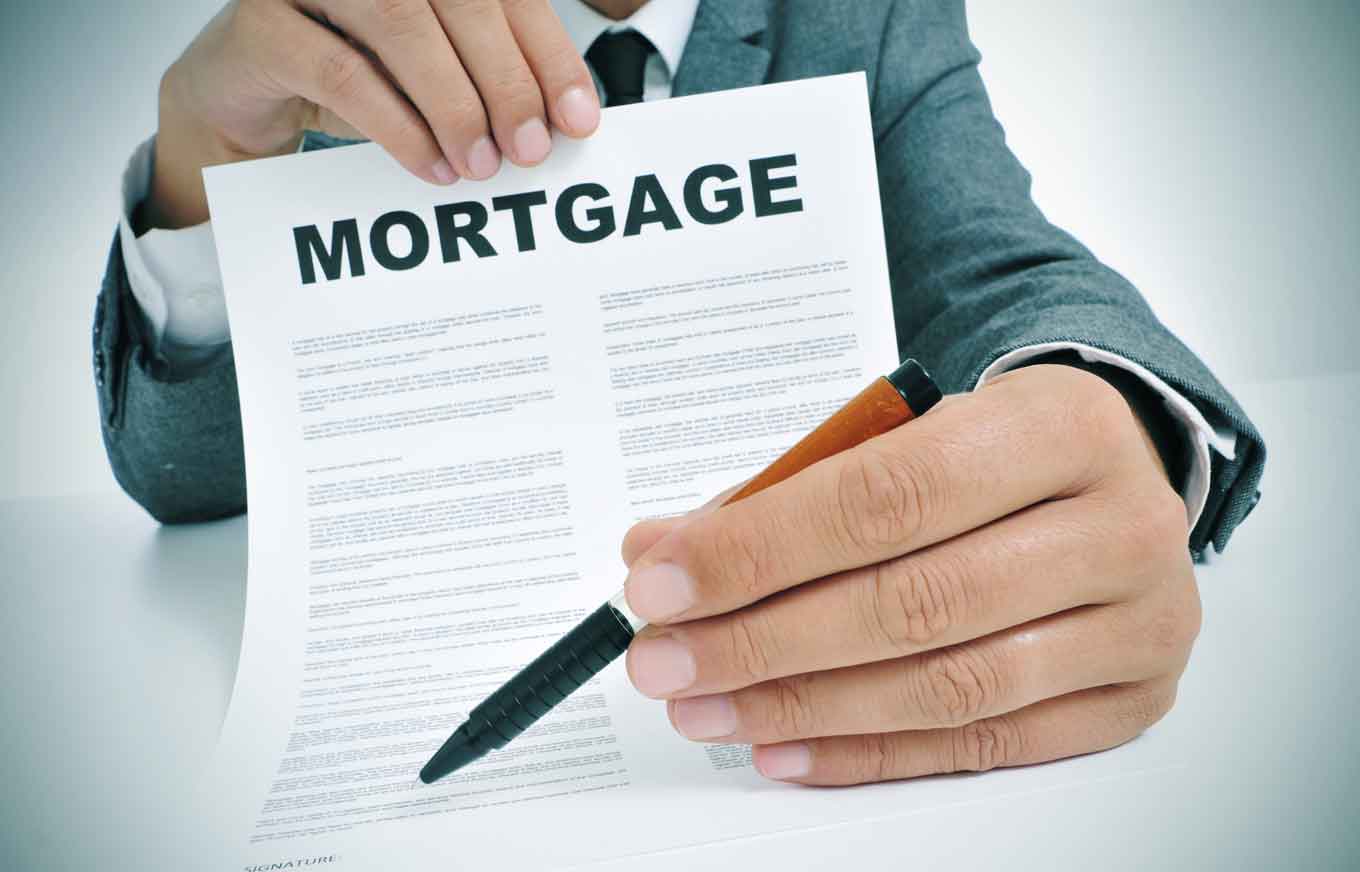
A mortgage is one of the most important financial tools available to individuals seeking to own property. It allows prospective homeowners to purchase houses or real estate by borrowing funds from lenders such as banks or credit unions. More than just a simple loan, a mortgage is a complex agreement that outlines not only the borrowed amount but also the repayment schedule, applicable interest rates, and the legal responsibilities of the borrower.
Understanding how a mortgage works is essential for anyone considering home ownership, as the terms of the agreement can have a lasting impact on personal finances. From monthly repayments to long‑term obligations, the structure of a mortgage influences both immediate affordability and future financial stability.
A mortgage typically involves four key elements: the borrower (you), the lender (a bank or financial institution), the property being purchased, and the mortgage contract itself. This contract spells out the critical details — the loan amount, interest rate, repayment schedule, and the consequences of failing to meet obligations.
Think of it as a formal agreement that ties you to your property, almost like a commitment letter — but one filled with legal terms and financial fine print rather than romance.
Read: What is Fiscal Policy: Objectives and Types
Components of a mortgage
A mortgage is not just a single payment—it’s made up of several important components that determine how much you pay monthly and over the life of the loan. Understanding these parts helps you manage your finances better and avoid surprises.. These components are often grouped into what lenders call PITI — Principal, Interest, Taxes, and Insurance —, but there are additional elements that also play an important role.
1. Principal
The principal is the amount of money borrowed from the lender.
- Example: If a home costs $300,000 and you pay $60,000 upfront, your principal is $240,000
- Each monthly payment reduces this balance over time
It represents your actual loan amount
2. Interest
Interest is the fee charged by the lender for borrowing money.
- Expressed as a percentage (e.g., 6% per year)
- Paid along with the principal each month
- Early payments mostly go toward interest
This is a major factor affecting the total cost of your mortgage
3. Property Taxes
In the U.S., homeowners must pay local government property taxes.
- Based on the assessed value of the home
- Varies by state and county
- Often included in monthly mortgage payments
Lenders usually collect and pay this on your behalf
4. Homeowner’s Insurance
This insurance protects your property against:
- Fire
- Theft
- Natural disasters
It is required by lenders and is typically included in your monthly payment.
It ensures the property (collateral) is protected
5. Mortgage Insurance
Mortgage insurance is required in certain situations:
• Private Mortgage Insurance (PMI)
- Required if the down payment is less than 20%
- Protects the lender if you default
• Government Loan Insurance
- FHA loans require mortgage insurance premiums (MIP)
This adds to your monthly cost but allows lower upfront payments
6. Escrow Account
An escrow account is commonly used in U.S. mortgages.
- The lender collects extra money monthly
- Used to pay property taxes and insurance
Helps borrowers manage large annual expenses more easily
7. Down Payment
The down payment is the initial amount paid upfront.
- Usually 3%–20% in the U.S.
- Higher down payments reduce:
- Loan size
- Monthly payments
- Need for PMI
A key factor in loan approval and cost
8. Loan Term
The loan term is how long you have to repay the loan.
- Common terms: 15 years and 30 years
- Short-term:
- Higher monthly payments
- Lower total interest
Affects both affordability and total cost
9. Amortization Schedule
This is the repayment structure over time.
- Early years: more interest, less principal
- Later years: more principal, less interest
Explains how your loan balance decreases
10. Interest Rate Type
Mortgages typically come in two main forms:
• Fixed-Rate Mortgage
- Stable interest rate for the entire term
• Adjustable-Rate Mortgage (ARM)
- Rate changes after an initial fixed period
Determines payment stability and risk
11. Closing Costs
These are fees paid when finalizing the mortgage, including:
- Loan origination fees
- Appraisal fees
- Title insurance
- Legal costs
Usually, 2%–5% of the home price
Read:What is Monetary Policy: Types, and Tools
Factors affecting the mortgage rate
Mortgage rates aren’t set randomly—they’re influenced by a mix of economic conditions, market forces, and borrower-specific factors. Here’s a clear breakdown of the main drivers:
1. Inflation
Inflation is one of the biggest influences. When prices rise, lenders demand higher interest rates to protect the value of their money over time.
- High inflation → higher mortgage rates
- Low inflation → lower mortgage rates
2. Central Bank Policies
Decisions by central banks like the Central Bank of Nigeria or the Federal Reserve heavily affect interest rates.
- When central banks raise benchmark rates, borrowing (including mortgages) becomes more expensive
- When they lower rates, mortgages tend to become cheaper
3. Economic Growth
A strong economy usually pushes mortgage rates up.
- More jobs and spending → higher demand for loans → higher rates
- Weak economy → lower demand → lower rates
4. Bond Market (Especially Government Bonds)
Mortgage rates often track long-term government bond yields.
- If bond yields rise, mortgage rates usually follow
- Investors compare mortgages to safer investments like bonds
5. Housing Market Conditions
Supply and demand in the housing market matter:
- High demand for homes → lenders can charge higher rates
- Low demand → lenders may lower rates to attract borrowers
6. Borrower’s Credit Profile
Your personal financial situation plays a big role:
- Credit score (higher = lower rates)
- Income stability
- Debt-to-income ratio
- Down payment size
7. Loan Type and Term
Different mortgage structures carry different rates:
- Fixed vs adjustable-rate mortgages
- Short-term loans (e.g., 15 years) usually have lower rates than long-term (e.g., 30 years)
8. Global Economic Conditions
Events like financial crises, wars, or pandemics can shift rates quickly. For example, during the COVID-19 pandemic, many central banks lowered rates, which reduced mortgage rates globally.
9. Government Policies & Regulation
Policies such as housing subsidies, tax incentives, or lending regulations can influence how cheap or expensive mortgages are.
10. Lender Competition
Different banks and lenders compete for customers:
- More competition → better (lower) rates
- Less competition → higher rates
Read: What is Finance? Types, and Importance
Types of Mortgage Loans
The main types of mortgage loans available include fixed‑rate mortgages, adjustable/variable‑rate mortgages, interest‑only mortgages, government‑backed mortgages, and commercial mortgages.
1. Fixed-Rate Mortgage
- Interest rate stays the same throughout the loan term
- Predictable monthly payments
- Common terms: 15, 20, or 30 years
Best for: People who want stability and long-term planning
2. Adjustable-Rate Mortgage (ARM)
- Interest rate changes periodically based on market conditions
- Usually starts with a lower “teaser” rate
Risk: Payments can increase over time
Best for: Short-term homeowners or those expecting income growth
3. Interest-Only Mortgage
- You pay only interest for a set period
- After that, you start paying both principal and interest
Risk: Payments rise significantly later
Best for: People expecting higher future income
4. Construction Loan
- Short-term loan used to finance building a home
- Converts to a standard mortgage after construction
Best for: People building a house from scratch
5. FHA Loans (Government-Backed)
- Insured by the Federal Housing Administration
- Lower down payment and easier credit requirements
Best for: First-time homebuyers or lower-income borrowers
6. VA Loans
- Backed by the U.S. Department of Veterans Affairs
- No down payment required (for eligible borrowers)
Best for: Military members and veterans
7. USDA Loans
- Supported by the United States Department of Agriculture
- Designed for rural homebuyers
Best for: Buyers in eligible rural areas
8. Jumbo Loans
- Loans that exceed standard lending limits
- Typically have stricter requirements and higher rates
Best for: Expensive properties or luxury homes
9. Balloon Mortgage
- Small monthly payments at first
- Large lump-sum payment at the end
Risk: Big final payment
10. Buy-to-Let Mortgage
- Designed for people buying property to rent out
- Approval often depends on expected rental income
Best for: Property investors
11. Offset Mortgage
- Your savings account is linked to your mortgage
- Savings reduce the interest charged
Best for: People with significant savings
Read: Functions of Commercial Banks and how they make money
Types of Mortgage Repayment Structures
Mortgages aren’t just about borrowing money — how you repay them can vary significantly. Understanding repayment structures helps borrowers choose the option that best fits their financial situation.
1. Repayment Mortgage (Amortizing Loan)
- You pay both principal + interest each month
- The loan balance gradually reduces to zero
Early payments = more interest
Later payments = more principal
Best for: People who want to fully own their home by the end of the term
2. Interest-Only Mortgage
- You pay only interest during the loan term
- The principal is paid in full at the end
Risk: You must have a plan to repay the full amount later
Best for: Investors or those expecting a future lump sum
3. Part-and-Part (Hybrid Mortgage)
- Combination of repayment + interest-only
- One portion reduces over time, the other remains unchanged
Best for: Borrowers wanting lower monthly payments but still reducing debt
4. Balloon Payment Mortgage
- Small regular payments (often interest-heavy)
- A large lump sum (balloon payment) due at the end
Risk: Requires strong financial planning for the final payment
5. Graduated Payment Mortgage (GPM)
- Payments start low and increase gradually over time
Designed to match expected income growth
Early payments may not cover full interest (negative amortization risk)
6. Step-Up / Step-Down Mortgage
- Payments increase (step-up) or decrease (step-down) at set intervals
Useful for:
- Step-up: early-career professionals
- Step-down: people expecting reduced income (e.g., retirement)
7. Flexible Mortgage
- Allows overpayments, underpayments, or payment holidays
Best for: People with irregular income or fluctuating cash flow
8. Offset Mortgage
- Your savings account is linked to the mortgage
- Savings balance reduces the interest charged
Example:
If you owe $100,000 and have $20,000 savings → interest is charged on $80,000
Types of Mortgage Loans
Mortgages come in different forms, each designed to suit specific financial needs, risk tolerance, and long‑term goals.
1. Fixed-Rate Mortgage
- Interest rate stays constant throughout the loan
- Monthly payments are predictable
Best for: Long-term stability and budgeting
2. Adjustable-Rate Mortgage (ARM)
- Interest rate changes periodically based on market conditions
- Often starts lower than fixed-rate loans
Risk: Payments can increase
Best for: Short-term ownership or rising income
3. Interest-Only Mortgage
- Pay only interest for a certain period
- Later switch to full repayment
Risk: Higher payments later
4. Construction Mortgage
- Used to finance building a home
- Usually short-term, then converted into a standard mortgage
5. Buy-to-Let Mortgage
- Designed for rental properties
- Approval often depends on expected rental income
Best for: Property investors
6. Government-Backed Loans
These are supported by government agencies (mainly in countries like the U.S.):
- FHA Loans – insured by the Federal Housing Administration
- VA Loans – backed by the U.S. Department of Veterans Affairs
- USDA Loans – supported by the United States Department of Agriculture
Best for: First-time buyers or special groups
7. Jumbo Mortgage
- Loan amount exceeds standard lending limits
- Requires strong credit and higher income
8. Balloon Mortgage
- Small payments initially
- Large lump-sum payment at the end
High risk if you’re not prepared
9. Offset Mortgage
- Savings account linked to mortgage
- Savings reduce the interest charged
10. Reverse Mortgage
- Available to older homeowners
- Converts home equity into income
- Repayment occurs when the home is sold
What is the Credit Score needed for a Mortgage
The credit score you need for a mortgage depends on the type of loan you’re applying for, but here are the general benchmarks:
Credit Score Ranges
- 300–579 → Poor (hard to qualify)
- 580–669 → Fair (limited options)
- 670–739 → Good (better rates)
- 740–799 → Very good
- 800+ → Excellent (best rates
1. Conventional Loans
- Minimum: ~620
- Best rates: 740+
These are the most common loans offered by private lenders (not directly government-backed).
2. FHA Loans
(Insured by the Federal Housing Administration)
- 580+ → Eligible for low down payment (as low as 3.5%)
- 500–579 → Possible, but requires a larger down payment (~10%)
Popular with first-time buyers
3. VA Loans
(Backed by the U.S. Department of Veterans Affairs)
- No official minimum set by the government
- Most lenders require 580–620+
For eligible military members and veterans
4. USDA Loans
(Supported by the United States Department of Agriculture)
For rural and suburban homebuyers
Quick Comparison
| Loan Type |
Minimum Score |
Ideal Score |
| Conventional |
620 |
740+ |
| FHA |
580 |
700+ |
| VA |
~580–620 |
700+ |
| USDA |
640 |
700+ |
What Higher Scores Get You
A higher credit score means:
- Lower interest rates
- Lower monthly payments
- Better loan terms
Example:
A borrower with 760 could pay significantly less over time than someone with 620.
Repaying a mortgage means paying back both the loan (principal) and the interest over time, usually in monthly installments. Here’s a clear, practical guide to how it works and how to do it efficiently:
1. Make Regular Monthly Payments
Most mortgages follow a repayment (amortizing) structure, where each payment includes:
- Principal (reduces your loan balance)
- Interest (cost of borrowing)
Early years: more interest
Later years: more principal
2. Choose a Payment Frequency
Depending on your lender, you can pay:
- Monthly (most common)
- Biweekly (every 2 weeks)
- Weekly
Biweekly payments can reduce your loan faster and save interest over time.
3. Pay More Than the Minimum (Overpayment)
You can repay your mortgage faster by:
- Adding extra money to monthly payments
- Making lump-sum payments (e.g., bonuses)
Benefits:
- Reduces total interest
- Shortens loan term
Check if your lender charges prepayment penalties
4. Refinance Your Mortgage
Refinancing means replacing your current loan with a new one—often with:
- Lower interest rate
- Shorter loan term
This can reduce total repayment cost if done at the right time.
5. Make Lump-Sum Payments
If you receive extra income (salary increase, business profit, inheritance), you can:
- Pay down a large portion of the principal
This significantly reduces interest over the life of the loan
6. Use an Offset or Flexible Mortgage
If available:
- Link savings to your mortgage (offset)
- Reduce the interest charged
Or:
- Adjust payments based on your financial situation (flexible mortgage)
7. Avoid Missing Payments
Missing payments can:
- Damage your credit score
- Lead to penalties
- Risk foreclosure
Example (Simple)
Loan: $100,000 at 6% for 20 years
- Monthly payment ≈ $716
- Total paid over time ≈ $171,840
Paying just $100 extra monthly could save thousands in interest and cut years off the loan.
Smart Repayment Strategy
- Pay on time, every time
- Add extra payments when possible
- Refinance if rates drop
- Avoid unnecessary debt
Conclusion
A mortgage is more than just a loan — it’s a gateway to property ownership and long‑term wealth creation. While it offers affordability and stability, it also requires careful planning to manage risks like interest rate changes and repayment obligations.
I’m a content writer with an M.Sc. in Business Administration, combining analytical business knowledge with creative writing. My work focuses on producing content that not only informs but also supports strategic objectives, helping brands connect meaningfully with their audiences